Afflicted by depression, anxiety, and relentless religious doubt, Emmanuel Carrère wrote The Kingdom partly as an act of remembrance—a way of revisiting the years when belief and unbelief tore him apart with equal ferocity. He could summon every argument against faith. Years of therapy had supplied him with a formidable psychological vocabulary, while Nietzsche, Freud, and other skeptics stood ready to dismantle every religious impulse that arose within him.
Yet every skeptical argument seemed to awaken an equally persuasive rebuttal.
Nietzsche argued that religion is an escape from reality, a consoling fantasy that allows frightened creatures to imagine a God who knows their names and treasures their souls. Carrère’s reply is disarmingly simple: perhaps anxiety is not evidence against God but one of His instruments. Perhaps our restlessness exists precisely to drive us toward Him.
The skeptic objects that religious conversion is merely a psychological escape hatch from despair.
Carrère counters that despair itself may be God’s invitation to conversion.
The debate becomes impossible to resolve because every objection is absorbed into the very faith it seeks to destroy.
Yet Carrère eventually discovers that the greatest threat to his belief is not Nietzsche.
It is Emmanuel Carrère.
He confesses that he wants to believe too desperately. His longing for faith becomes evidence against the authenticity of that very faith. Like someone compulsively insisting that he is happy, the insistence itself begins to sound suspicious. The more urgently Carrère reaches for God, the more he wonders whether the reaching itself proves that God has already slipped away.
That dilemma belongs to far more people than religious believers.
It may describe the human condition itself.
Our hunger for conversion explains, in part, why we go to the movies.
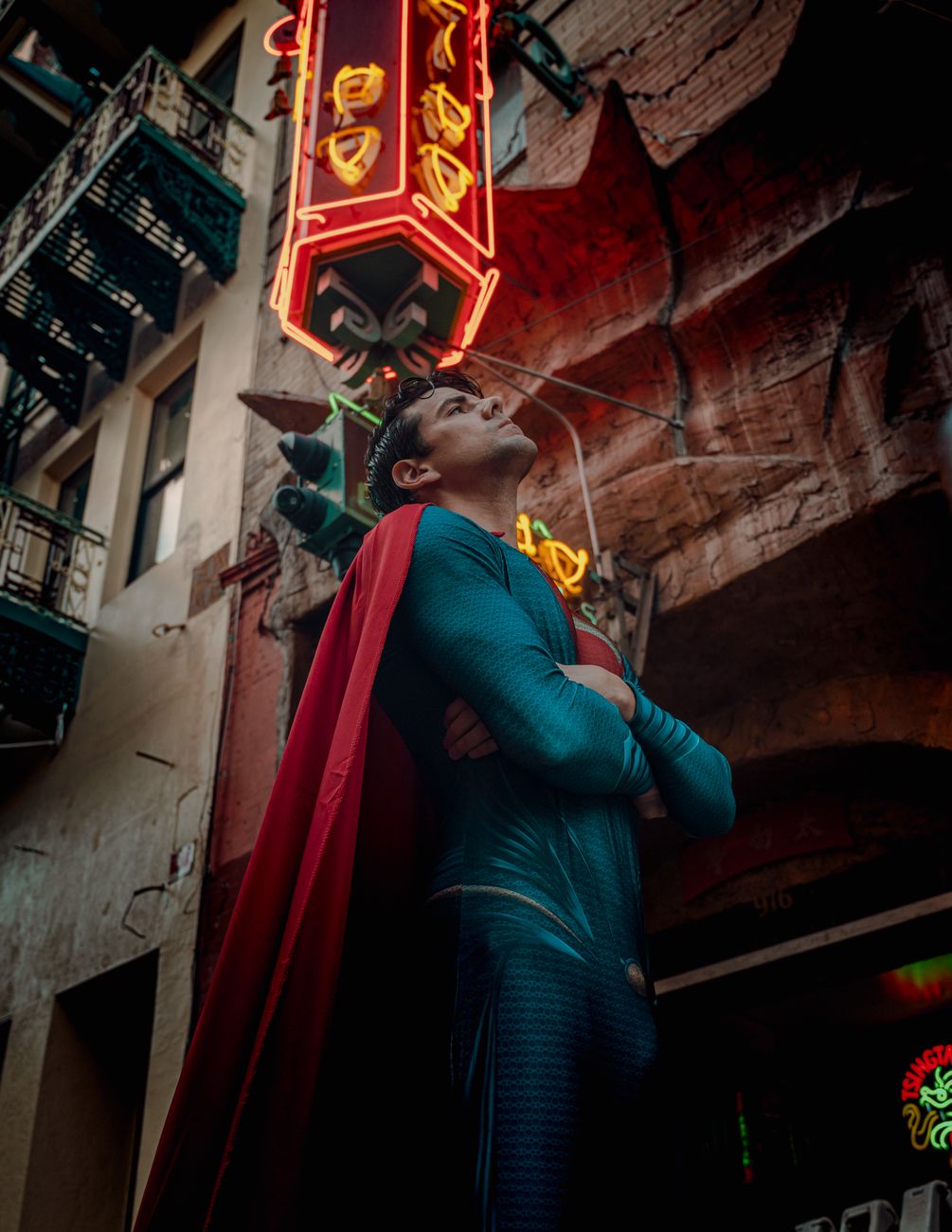
For two hours we borrow another person’s destiny. We watch an ordinary soul undergo extraordinary transformation and momentarily imagine the same miracle awaiting us. We feel our throats tighten as Jor-El tells his son that he must become not merely Superman but a light to the world. For one luminous moment we are convinced that greatness, sacrifice, and moral courage are the only things that matter.
Then the credits roll.
The spell evaporates somewhere between the parking lot and the nearest café, where we resume discussing office gossip over coffee and cake. The desire for transformation was genuine.
Its duration was not.
New Year’s resolutions repeat the same ritual.
Each January we announce that this year will be different. We join the gym. We buy immaculate workout clothes. We embrace a revolutionary diet and enthusiastically explain to friends how astonishingly “simple” the whole thing is. Six weeks later the gym card has migrated to the back of the wallet, the diet books have become decorative objects, and the only weight we’ve successfully lost is our enthusiasm.
Social media has industrialized this cycle.
Every week a new influencer appears bearing the latest gospel of self-reinvention. Follow this morning routine. Buy this supplement. Build this side hustle. Practice this mindset. Soon you will possess wealth, influence, discipline, admiration, and a jawline sharp enough to cut glass.
Millions eagerly enroll in these digital revival meetings.
Almost none experience resurrection.
What they experience instead is rebranding.
Life increasingly resembles a succession of false conversions.
We repeatedly announce the beginning of a new chapter, only to abandon the manuscript after the novelty fades. We restart our lives the way aspiring novelists restart first drafts—full of magnificent intentions, derailed by boredom, distraction, or the irresistible glitter of the next shiny object.
The modern self has become a serial convert without a church.
We are forever renouncing one identity in favor of another, mistaking novelty for transformation and enthusiasm for character.


Leave a Reply