Category: FOMO and Its Discontents

  • Why I’m Breaking Up with the YouTube Feed

    Why I’m Breaking Up with the YouTube Feed

    When I open YouTube, my homepage looks like a digital gladiator pit. Comedians, podcasters, and fitness influencers are constantly “dunking on,” “roasting,” or “destroying” one another. The algorithm assumes I crave conflict like a Roman spectator—hungry for outrage, giddy for blood. It’s pathetic, really. My only objection today is a simple one: stop turning my comedians into content. They’ve long been the high priests of outrage, transmuting it into gold through timing, irony, and a killer punchline. Outrage used to be an art form, not a business model.

    But comedy has competition now. For the past decade, social media has been strip-mining outrage for clicks. Unlike comedians, who craft original points of view and occasionally elevate our spirits, the algorithm slaps together cheap dopamine with a glue gun—strawman fallacies, emotional bait, polarization, and tribal garbage—all to keep us doom-scrolling through the sludge.

    Comedians once showed us our shared absurdity. Algorithms show us our mutual contempt. That’s not progress; that’s spiritual rot. I fear that as AI devours art and originality, comedians may go the way of Paul Bunyan—felled not by fatigue but by the chainsaw of automation.

    Maybe I should reprogram my feed with videos of pandas hugging ducklings. But swapping venom for saccharine isn’t redemption; it’s sedation. Better to log off entirely, read a book, or at least choose what I watch. For now, YouTube feels like poison—delivered daily, in high definition.

  • Speedos at Sunset

    Speedos at Sunset

    The New York Times article, titled “Skimpy Men’s Swimming Briefs Are Making a Splash,” offers a solemn dispatch from the front lines of GLP-1 drugs, but I would guess that men—having exhausted every form of visible self-optimization—are now expressing their Ozempic-enabled slenderness via tiny, Lycra-clad declarations of status. We’re talking male bikinis, or what I like to call the ego sling.

    Apparently, if you’re dropping $18,000 a year to chemically suppress your appetite and shed your humanity one subcutaneous injection at a time, you deserve the privilege of looking like a Bond villain’s pool boy. I suppose this is the endgame: pay to waste away, then wrap what’s left in a luxury logoed banana peel.

    Luxury underwear companies, never ones to miss a chance to monetize body dysmorphia, are now marketing these second-skin briefs not as mere swimwear, but as power statements. To wear them is to say: “I’ve defeated fat, joy, modesty, and comfort in one fell swoop.”

    I’m almost 64. My aspirations remain high—ideally, I’d like to look like a special-ops operator on vacation in Sardinia. But I know my place. I wear boxer-style swim trunks, the cloth of the pragmatic and the semi-dignified. They’re not exciting, but neither is seeing a sun-leathered septuagenarian adjust a spandex slingshot over a suspicious tan line.

    There’s a difference between being aspirational and being delusional. The former means striving for vitality, strength, and energy. The latter means stuffing yourself into a satirical undergarment and pretending you’re a twenty-two-year-old wide receiver with a sponsorship deal.

    To my fellow older men: sculpt your body like it’s your spiritual obligation—but when it comes to swim briefs the size of a hotel mint, maybe opt out. Not every part of youth is worth reliving. 

    When I think of old guys clinging to their youth by wearing undersized swim trunks, I often think back to the summer of 2019 when my wife and twin daughters were in Maui and I was treated to one of life’s great grotesques: a compact man in his mid-seventies parading the beach in dark-blue Speedos with a woman young enough to be his granddaughter. She was Mediterranean gorgeous, twenty-something, and clearly imported as the ultimate accessory. He was trim, shaved, strutting across the sand like a hedge-fund satyr who believed that constant motion kept the Grim Reaper wheezing in his wake. He dove into the surf not like a man swimming, but like a man negotiating—bargaining with Time.

    You could smell his wealth before you could smell the salt air. A CEO, no doubt—half his life in boardrooms, the other half clawing at immortality. His creed was Hefner’s: work hard, play harder, and Botox anything that betrays the passage of time. I’m not here to moralize about his May-December arrangement. What fascinated me was the fantasy: money, discipline, and a bit of manscaping as talismans against entropy, as if youth could be distilled into a cologne.

    But the tableau reeked of mismatch—two puzzle pieces jammed together with superglue. Forced smiles, awkward touches: every moment chipped another sliver from the illusion until they looked less like lovers and more like hostages. This was not youth preserved; this was youth taxidermied. His confidence read as terror. His curated life, meant to inspire envy, collapsed into a sad performance—a tuxedo on a traffic cone.

    He reminded me of Joe Ferraro from Netflix’s Mafia: Most Wanted: born in Ecuador in ’62, raised in Toronto, obsessed with bodybuilding, crime, and women. He had it all—the Rolex Daytona, gold chains, sunglasses so huge they had their own weather system. Then came prison and deportation. Now in his sixties, Ferraro is a sculpted parody: sport coat draped like a cape, tight black jeans, hipster boots, eyes full of melancholy. He wants his life back, but he knows the casino is closed. Like the Speedo satyr, Ferraro can’t stop looking back, calcifying into a monument of salt.

    And salt is the right metaphor: Lot’s wife glancing back until she froze mid-regret. Neither Ferraro nor Speedo Man could let go of their “youth identities.” Without them, death feels too close. With them, they look embalmed while still breathing.

    I understand how hard it is to let go of the life you think you deserve. Spend a week in Hawaii, and you step into a parallel universe—Sacred Time. You board a $400-million jet, dehydrate for five hours, and land convinced you’re immortal. Within 24 hours you’re marinating in mai tais, demolishing lilikoi pies, and basking under sunsets scripted by God to flatter your ego. Clocks stop. Deadlines vanish. Sacred Time whispers: Death can’t find you here.

    Which is why leaving Hawaii feels like a cosmic eviction notice. You board the plane and return not just to California but to Profane Time, where bills, emails, and mortality resume their tyranny. For weeks after, you’re sun-drunk and disoriented, still hearing waves in your ears while the neighbor’s leaf blower revs like a dentist drill. Sacred Time is an opiate; reentry is cold turkey.

    Nostalgia is the next fix. For me, it’s the summer of 1977 at Don Castro Swim Lagoon. I was fifteen—half-boy, half-bicep—sunbathing like a pagan sacrifice to the gods of narcissism, The Happy Hooker hidden in my gym bag, my skin baptized in banana-scented cocoa butter. That lagoon was my Eden: the girls in bikinis, the musk of suntan oil, the hormone haze of adolescence. That era hardwired me to believe pleasure was a birthright.

    But nostalgia curdles. Today I’m older, paler, a few Adonis fragments left in the rearview. What once felt like a creed now feels like a rerun of Fantasy Island with bad lighting. The boy in me still demands his sunlit altar, but now he feels like a squatter. Am I still bronzing in Eden—or am I frozen in salt, looking back too long at a self that no longer exists?

    Enter the “Return to the Womb.” Aging produces this primal regression: a desire not just for beaches, but for obliteration of responsibility. For me, it smells like Florida—the state of my birth, equal parts Eden and punchline. Mango air, coconut breezes, sultry rain: a fetal simulation with Wi-Fi. But even I know it’s not vitality; it’s paralysis. It’s not Life Force—it’s brain rot in Tommy Bahama.

    During lockdown, I tasted this desire to return to the womb. Pajamas at noon, Zillow scrolling barrier islands, buckwheat groats as immortality. My body synced with the rhythm of a hot tub. I didn’t want to emerge. I still don’t. Which terrifies me—because Father Time is no cuddly mascot. He’s a cosmic accountant, and he wants receipts. What did you do with your time?

    Meanwhile, I’m bicep-curling nostalgia like it’s protein powder. For five years, I hounded my wife about Florida. She countered with Some Kind of Heaven, the documentary about The Villages. Watching geriatric Parrotheads do water ballet to Neil Sedaka was enough to kill the fantasy. It wasn’t Eden—it was a gulag of shuffleboard and scheduled fun. Leisure not as freedom, but as occupation.

    The film’s standout was Dennis Dean, an octogenarian grifter prowling bingo halls for rich widows. Watching him lie catatonic under a ceiling fan after another failed con, I realized my wife had played me like a Stradivarius. My Florida obsession died in that moment.

    So now I’ve scaled back. No more eternal-Adonis-in-the-tropics delusions. No Speedos. Just a week vacation in Maui or Miami, then back to Profane Time with my Costco protein powder and kettlebells. Still chasing immortality—but with at least a fig leaf of self-awareness.

  • Old Age and Father Time’s Frenemies

    Old Age and Father Time’s Frenemies

    I often think back to the summer of 2019 when my wife and twin daughters were vacationing in Maui. There, on the beach, I spotted a short, compact man in his mid-seventies parading around in dark-blue Speedos with a woman at least fifty years his junior — a striking Mediterranean beauty in her twenties. The guy was trim, well-manscaped, scampering confidently on the sand like a millionaire who spends half his life in boardrooms and the other half trying to outrun the Grim Reaper. He dove into the waves with the vigor of someone convinced that as long as he keeps moving, Father Time can’t catch him.

    You could smell the wealth on him. He was probably a CEO with a portfolio big enough to buy the illusion of eternal youth. He worked hard and played harder, to borrow Hugh Hefner’s mantra. Now, I’m not here to pass moral judgment on a man who chooses a partner young enough to be his granddaughter — that’s his business. What fascinates me is the fantasy: money, discipline, and a little manscaping used as talismans against aging, as if youth were a rare potion you could sip to stay forever young.

    The whole tableau, though, felt wrong. He and his youthful companion were mismatched puzzle pieces jammed together by brute will. It was as if two jagged halves of a broken mirror had been glued into place; every forced smile and awkward embrace chipped another sliver off, until all that remained was a pile of glittering shards — the perfect image for the futility of trying to cheat time.

    This rich, fit man is Father Time’s frenemy — the one who insists they’re on friendly terms while secretly plotting a hostile takeover. He may have sold himself a “perfect picture,” but the public sees the mismatch as plainly as a traffic cone in a tuxedo. The spectacle exposes his poverty: an inability to relinquish something that no longer belongs to him, a clinging to youth that reveals fear rather than confidence. That fear, in turn, sabotages his aspiration to curate an enviable life; the attempt to perform eternal youth only underlines the loss he refuses to admit.

    I’m reminded, uncomfortably, of Joe Ferraro from Netflix’s Mafia: Most Wanted. Born in Ecuador in 1962 and raised in Toronto, Ferraro turned to bodybuilding, gambling, and organized crime as a teenager, hungry for money, women, clothes, and respect. He got it all — a Rolex Daytona, gold necklaces, designer sunglasses large enough to require their own zip code — until seven months in prison and eventual deportation stripped him of his infrastructure. In his sixties, he’s a sculpted caricature: tank top, ostentatious sport coat draped like a cape, and penetrating melancholy eyes that reveal he knows the score. He says he wants his life back, but knows he’s too old for the young man’s game and can’t look away from it.

    Both the rich man in Maui and Ferraro in exile put me in mind of Lot’s wife. They cannot relinquish the lifestyle that defines them; youth is their identity, and the thought of being disconnected from it registers as a kind of death. Unable to let go, they calcify into pillars of salt — frozen monuments to a self that no longer exists.

  • Last Car Syndrome

    Last Car Syndrome

    I was nearly sixty-four, four decades of teaching college writing having corroded whatever patience I once had, and I found myself drowning in self-disgust. My life, once measured in lectures and essays, had narrowed to a single, grotesque question: Camry or Accord? I fretted over it as if I were choosing a confession—Catholic or Presbyterian—with my eternal soul dangling over the dealership lot. The absurdity didn’t escape me. I had real problems: blood markers creeping upward, a rotator-cuff tear ruining kettlebell workouts, bedrooms that needed painting, twin daughters who needed driver’s training, retirement forms stacked like little gravestones, and the scramble to joint bank accounts so my younger wife wouldn’t face probate nightmares. And yet I could not stop watching YouTube reviews and refreshing Reddit threads that compared the new Camry to the Accord.

    I vacillated like a madman.

    Driving to pick up the girls from high school, I’d spot an Accord and sigh: “Ah, the Accord EX-L in Canyon River Blue. Very peaceful. Not a bad car to die in.” A second voice—practical, bored—would snap back, “It’s a car, not a coffin, dummy!” So I’d argue with myself: “But this will be the last car I ever buy. Surely it is my Death Car.” “God, you’re morbid! How can I live with you? Get away from me!”

    The next day I’d see a Camry SE in Heavy Metal and melt. “Look how it fits that color—everything’s right. Under thirty-three K and it feels Lexus-adjacent.” My inner realist would applaud the improvement: “At least you’re not talking about death. Progress.” Then the skeptic: “But the Accord is quieter. I need quiet. And the Accord dealership is walking distance—drop it off, walk home. That’s handy.” Followed by doubt: “Wait—people say the new Accord looks like a Ford Taurus. Can I live with that kind of ridicule?”

    It went on and on. My wife learned to read my posture: the slight slump, the hand rubbing the back of my neck—the tell that I was about to launch into Camry-Accord hell. She would cut me off before I even opened my mouth: “Stop right there, buster. I don’t want to hear it. Just make your damn decision!”

    For a while I wallowed alone in the torment.

    Then one morning I woke up and declared I didn’t need a car at all. I’d driven, on average, three thousand miles a year for the last decade—hardly the mileage of a man who needed a shiny new vehicle. The decision felt radical: my daughters could take the older Accord, my wife the newer one, and I’d borrow a car when necessary. No purchase. No shiny new vehicle gathering dust like a suburban reliquary in the garage. Why buy something to admire between piano practice and Netflix binges? I told myself the choice was genius. 

    But after snacking on a virtuous bowl of buckwheat groats with unsweetened soy milk, banana slices, pumpkin seeds, cinnamon, and a dash of manuka honey, the energizing snack snapped me out of my delusion.. Suddenly the whole farce of my deliberation looked naked: I was suffering from Last-Car Syndrome: the unconscious understanding that in my mid-sixties, my next car purchase was essentially my Death Car, so I avoided the purchase like I avoided death. 

    Fortified by my power breakfast, I stood up, chest puffed like a man claiming moral clarity, and barked at the ceiling, “Who am I kidding? I’m buying a new car. I deserve it.”
    So now it’s only a scheduling question—six months from now, or next week.

  • The Death Car Dilemma: How One Man Escaped the Camry-Accord Abyss

    The Death Car Dilemma: How One Man Escaped the Camry-Accord Abyss

    At nearly 64, with four decades of college writing instruction corroding his patience, Aiken Riddle found himself drowning in self-disgust. His life, once measured in lectures and essays, had shrunk to a tormenting question: Camry or Accord? He obsessed over the choice as though he were deciding between Catholicism and Presbyterianism, his eternal soul dangling in the balance. The absurdity wasn’t lost on him. He had genuine problems—blood markers creeping north, a torn rotator cuff ruining kettlebell workouts, rooms that needed paint, twin daughters who needed driver training, retirement forms stacked like gravestones, and joint bank accounts to secure before death turned his finances into a probate nightmare for his younger wife. Yet he couldn’t stop watching the YouTube videos and Reddit pages comparing the new Camry and Accord. 

    He vacillated like a madman.

    One day while driving to his twins’ high school to pick them up, he would see an Accord and would say to himself with a sigh, “Ah, the Accord EX-L in Canyon River Blue. A very peaceful color. Not a bad car to die in.” Then another voice would say, “It’s a car, not a coffin, dummy!” Then he’d retort: “But this will be the last car I ever buy. Surely, it is my Death Car.” Upon which he’d rebuke himself, “God, you’re morbid! How can I live with you? Get away from me!”

    Then the next day while picking up his girls from their school, he’d see a Camry SE in Heavy Metal and would say, “Ah, the Camry seems to be made for that color. Everything fits perfectly. Plus for under thirty-three K, I’m getting a taste of Lexus.” Upon which his other self would say, “At least you’re not talking about death. That’s an improvement.” Then he would say, “But the Accord is a quieter ride. I need quiet. Plus, the Accord dealership is walking distance away. I can drop off the Accord and walk home. That tips the advantage to Accord. But, wait, people are saying that the new Accord body style looks like an old Ford Taurus. Can I live with such ridicule?”

    Over the ensuing days, he would go back and forth. It reached the point that his wife could tell by his body language that he was about to talk about his Camry-Accord dilemma and she would interrupt him even before he opened his mouth: “Stop right there, buster! I don’t want to hear it. Just make your damn decision!”

    So he was alone in his torment. 

    One day he woke up and said he didn’t need a car. He calculated that for the last decade he had only driven three thousand miles a year. That hardly merited getting himself a new car. The decision was final: His daughters would take the old Accord and he’d give the newer one to his wife. He would simply borrow their cars when he needed them. 

    The decision was genius. He would not be less obliged to drive when he felt his driving skills had compromised over the last decade. He was by nature a recluse. His decision to not buy a car helped his cause. Why spend forty thousand dollars so I can behold a rarely-driven car in my garage before returning to the living room to play the piano or watch Netflix?

    He learned that sometimes a decision is not either/or. There is sometimes another option, and not getting anything can be the best one of all.  

  • When the Radio Becomes God: Eavesdropping on Despair

    When the Radio Becomes God: Eavesdropping on Despair

    The word “satisfactory” can be a bit of an oxymoron. There’s not much that is satisfying about being satisfactory when the word is a proxy for mediocrity and ennui. To be in life’s sweet spot of income, career, and social status may feel like a prison. To keep your “satisfactory” status, you may be playing house, as they say. You go through the motions of what is considered respectable but feel empty inside. You may find yourself to be the unflattering subject of the famous Talking Heads song “Once in a Lifetime.” The song’s theme is the shock of waking up inside your own life and not recognizing how you got there. David Byrne delivers his lines like a dazed preacher, cataloging the trappings of middle-class success—“a beautiful house,” “a beautiful wife”—yet always undercutting them with the anxious refrain, “Well, how did I get here?” The song captures the disorientation of modern existence, where routines and consumer comforts can feel alien, as if someone else scripted your life while you were sleepwalking through it. Beneath its hypnotic bassline and tribal rhythm, the song is less celebration than existential panic: a reminder that time moves in one direction, that choices pile up invisibly, and that one day you might look around and realize the current has carried you somewhere you never meant to go. The song came out as a video in 1981 and remains one of the most famous videos ever made.

    Cut to 2014 and you’ll find a companion song–Father Misty’s “Bored in the USA.” The song skewers the hollowness of the American Dream by presenting a narrator who has all the trappings of comfort yet feels utterly vacant inside. Over a piano ballad that mimics Springsteen’s Born in the U.S.A. anthem but inverts its spirit, he lists his modern dissatisfactions—student debt, prescription meds, existential malaise—with a deadpan delivery that borders on satire. The song’s title itself is a punchline: in a land of abundance, the greatest affliction is ennui. Misty sharpens the critique by layering laugh-track chuckles over his lament, exposing the absurdity of personal despair as entertainment. The theme is clear: American prosperity doesn’t guarantee purpose, and in a culture that commodifies everything, even boredom becomes a spectacle.

    Perhaps the precursor to the above songs is Malvina Reynolds’ “Little Boxes” (1962).  All three songs wrestle with the discontent lurking beneath middle-class comfort. Reynolds’ folk satire ridicules postwar conformity: rows of identical houses, “ticky-tacky” lives, and the way education, careers, and family structures stamp people into cookie-cutter molds. Byrne picks up this theme two decades later, asking in “Once in a Lifetime” how one can inhabit that prefab life without ever choosing it, caught in the current of routine until bewilderment sets in. Misty, in turn, gives the 21st-century update: not only are the houses still there, but so is the crushing boredom, debt, and medicated detachment that follow from chasing that same ideal. Together, the songs form a lineage of American self-critique—“Little Boxes” mocking the architecture of conformity, “Once in a Lifetime” exposing the existential vertigo inside it, and “Bored in the USA” diagnosing its emptiness in an age of irony and overmedication.

    All three songs—“Little Boxes,” “Once in a Lifetime,” and “Bored in the USA”—resonate with Paula Fox’s masterpiece novella Desperate Characters in their shared critique of middle-class paralysis. Fox’s novel follows Sophie and Otto Bentwood, a couple trapped in a Brooklyn brownstone, surrounded by the comforts of professional success yet gnawed by alienation, decay, and a sense that life has slipped beyond their control. Reynolds’ “Little Boxes” mocks the social machinery that produces people like the Bentwoods—educated, well-off, but indistinguishable. Byrne’s “Once in a Lifetime” channels Sophie’s disorientation, the feeling of waking up one day to a “beautiful house” and a “beautiful wife” yet asking, “How did I get here?” Misty’s “Bored in the USA” pushes the critique further, mirroring the Bentwoods’ emptiness with a 21st-century inventory of malaise: debt, pharmaceuticals, and soul-crushing ennui. Taken together, the songs and Fox’s novella expose the fragility beneath affluence, suggesting that comfort without meaning curdles into desperation.

    John Cheever’s “The Enormous Radio” joins the chorus. Jim and Irene Westcott are respectable enough to be alumni-brochure fodder, yet their lives hum with nothingness. Then comes the radio, their supposed luxury upgrade—a hulking gumwood cabinet that looks less like a household appliance and more like a coffin standing on end. At first it malfunctions with grotesque noises, coughing and wheezing like a consumptive beast. But when it “works,” its real gift is supernatural: it picks up not Brahms or Mozart but the raw, unedited conversations of the neighbors. Suddenly Irene is granted an unwanted superpower, the ability to eavesdrop on lives stripped of pretense. Through the radio’s crackle, she overhears quarrels, confessions, betrayals, the bitter sediment of other people’s marriages. Respectable couples she once envied are exposed as small, petty, furious, and miserable. Irene becomes both priest and voyeur, holding court over the private sins of her building. The radio doesn’t merely broadcast sound; it rips open walls, tears down curtains, and forces Irene into an intimacy she never asked for but quickly can’t live without. Jim recoils in disgust, but Irene is entranced, feeding on the poison like it’s oxygen. The radio becomes their third eye, their unwelcome oracle, a device that transforms a bourgeois apartment into a haunted theater of human despair.

    The question Cheever poses—and which Reynolds, Byrne, and Misty circle—is whether too much knowledge of others, or of ourselves, is corrosive. The radio doesn’t merely reveal secrets; it corrupts. Irene begins with curiosity, but soon she’s chained to the cabinet, hypnotized by its stream of confessions and recriminations. What she hears doesn’t just stain her view of others; it infects her own marriage, her finances, even her sense of self. She grows convinced that her life is flimsy, precarious, and wasted, as though the radio is no longer a machine but a judgmental deity, casting its pitiless light on everything she’s tried to keep tidy and respectable. For Irene, the radio becomes both oracle and executioner, transforming her from passive listener into a woman undone by revelation. And that’s the horror Cheever leaves us with: the possibility that self-examination, when magnified by an unblinking device, doesn’t lead to wisdom at all, but to paralysis and despair. Respectability is not protection. The walls are paper-thin. The “satisfactory” life is a coffin with good upholstery.

  • The Fix-It Myth: Why Self-Help is Just a Car Manual for Broken Humans

    The Fix-It Myth: Why Self-Help is Just a Car Manual for Broken Humans

    In her essay “Improving Ourselves to Death,” Alexandra Schwartz skewers our obsession with “setting goals” and the self-help prophets who profit by defining them. These gurus peddle life hacks as if they were cheat codes for existence, promising that with the right app, cue, or wearable gadget, you too can become a shiny human upgrade—an iPhone with abs.

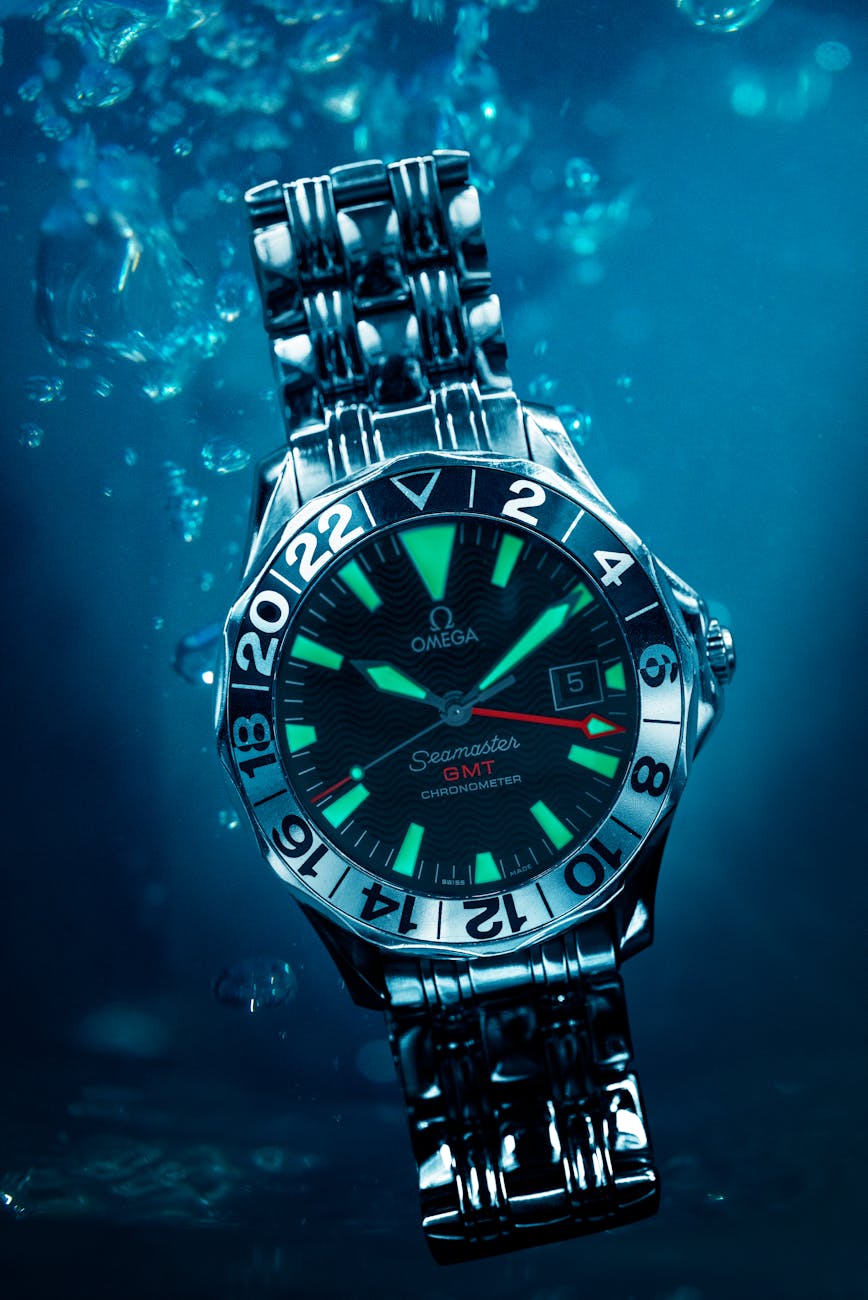
    Their gospel is simple: optimization. A body that runs like a Swiss watch. A brain that hums like a Tesla battery. The result is a consumer barrage of homilies, buzzwords, and dopamine-chasing gadgets—all in service of transforming you into the ultimate product: yourself.

    But Schwartz argues that self-help is nothing more than a mirror, reflecting our dreams, neuroses, and insecurities. And one illusion persists like an American birthright: the Fix-It Myth. The fantasy that we are just machines—cars in need of a tune-up. Find the right manual, grab the right tools, and presto: you’re repaired, maybe even upgraded, ready to roar back onto the freeway of productivity.

    This myth has metastasized in the gig economy, where survival depends on perpetual hustle. We’ve convinced ourselves we must be perfectly fine-tuned—capable of juggling three jobs, dabbling in day trading, and hoarding enough cash to claw our way into a coveted zip code.

    At the core of this delusion is what therapist Phil Stutz calls the “Moment Frozen in Time”: a fantasy snapshot where everything is perfect—you look flawless, your soulmate is flawless, your calendar is conflict-free, and every day is a spa day in Shangri-La. The billion-dollar self-help industry feasts on this fantasy, offering secret codes that promise to deliver the life of a minor deity.

    Gwyneth Paltrow plays High Priestess of the Perfection Myth, hawking jade eggs and kale smoothies as though they were Eucharist wafers. On the Manosphere side, we’ve endured the spectacle of the Liver King—reduced from ancestral beef oracle to fallen fraud—and the smirking jiu-jitsu bodybuilder Mike Israetel, who at least delivers his advice with more honesty than theatrics.

    Stutz, however, refuses to sell the dream. His blunt counter-sermon: life is pain, uncertainty, and work. The faster you accept this, the happier you’ll be—because reality, not fantasy, is the only terrain where resilience and joy can actually grow. Otherwise, you’re just another maladapted child clinging to the hope of effortless bliss.

    And all the while, we’ve marinated in two decades of social media’s dopamine fever swamp: the endless scroll of FOMO, flexing, and fraudulence. Maybe the truest life hack isn’t another app or guru, but closing the laptop, lacing up your shoes, pounding out a five-mile run, and letting endorphins—not Instagram—clear your head.

  • Building a Bulwark Against Dopamine

    Building a Bulwark Against Dopamine

    Charles Duhigg, in The Power of Habit, insists that the real magic of self-improvement isn’t magic at all—it’s repetition, consistency, and time. Muscle memory married to good habits rewires the brain so that willpower stops being a daily knife fight. Instead, habits act as a bulwark, a fortification that keeps temptation outside the walls.

    Take my relationship with German Chocolate Cake. I adore it. But I eat it once a year because I never buy it. The thought of driving downtown, circling for parking, and elbowing through bakery lines kills the craving faster than broccoli. If people on TV are flaunting cake, I’ve trained myself to default to popcorn and an apple, which is like swapping bourbon for chamomile tea. Still, despite this culinary Maginot Line, I live fifteen pounds heavier than I want to be—proof that the fortress has weak spots.

    The Internet, however, is a stronger adversary than cake. Social media rewires the brain more ruthlessly than sugar. Twitter/X trained me to think in quips, Facebook taught me to beg for likes like a starving dog scratching at the door. I finally quit both. I post on Facebook once a month and promptly forget about it. I’m saner for it.

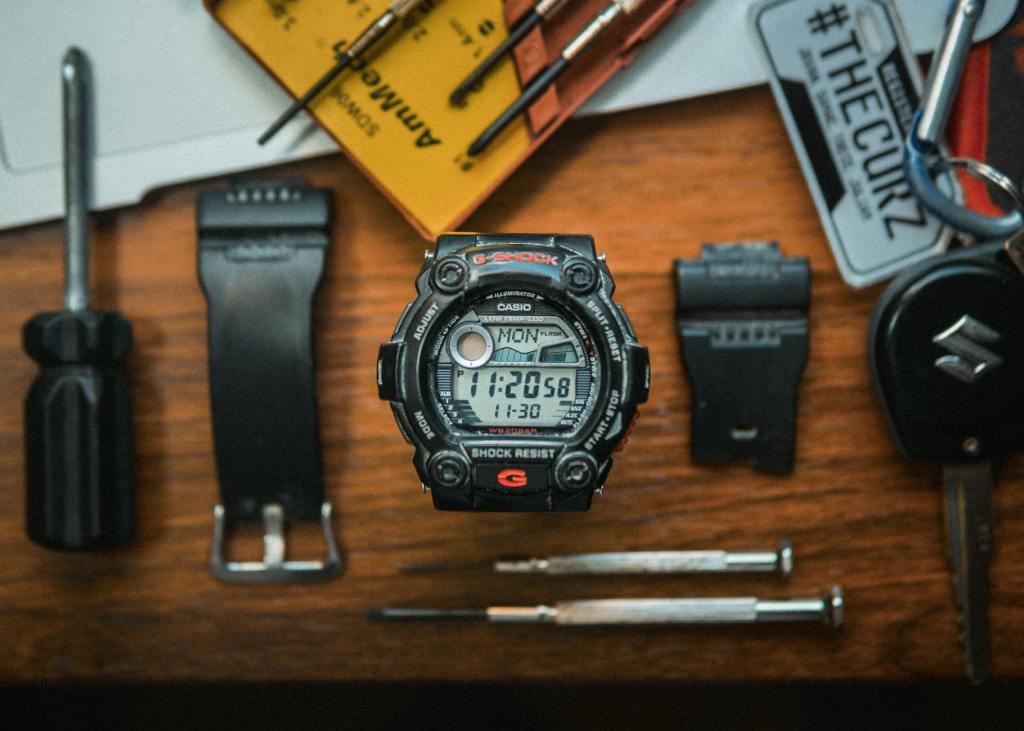
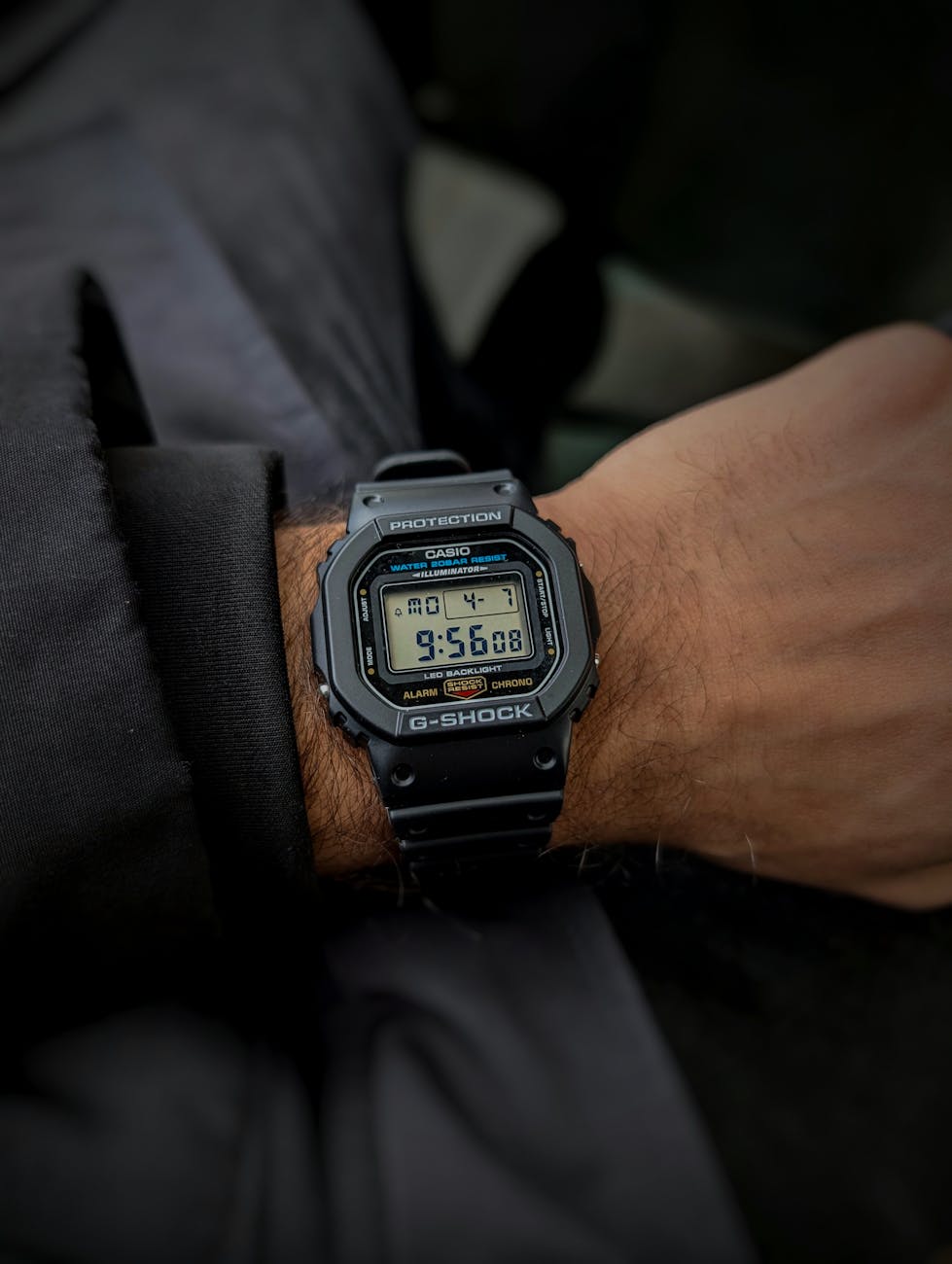
    But YouTube? That’s my heroin. I’ve been making watch-obsession videos for over a decade and built a modest following of 10,000. When a video pops, YouTube showers me with fireworks like a slot machine jackpot. When it flops, I get a scolding message: “This video isn’t bringing in as many of your subscribers as usual.” It’s the algorithm wagging its finger like a principal telling me I’ve failed society.

    YouTube has rewired my brain in both noble and grotesque ways. On the one hand, I’m sharper at public speaking, better at spinning essays into expositions, and more skilled at civil engagement with various personalities. On the other hand, I care too much about metrics, let them colonize my self-worth, and live half my life inside the algorithm’s funhouse mirror. I now inhabit parallel universes—the physical world and the YouTube world—fleeing one when the other displeases me.

    The problem is that the Internet’s temptations can’t be quarantined. My work machine is also my dopamine slot machine. One new tab, one click, and I’m plunging into a carnival of junk content, drenched in FOMO syrup and neon distraction. Cal Newport is right: when you toggle between focused work and dopamine junk food, the brain leaves behind a sticky residue that smothers concentration. I’ve felt that sludge firsthand, and I despise myself for swimming in it.

    As Duhigg notes, the brain is “constantly looking for ways to save effort” by making routines automatic. That’s useful for the monk who wakes at dawn to meditate, but disastrous for someone whose screen offers the New Tab to Nowhere. If only I could build a stronger bulwark against the carnival in my browser, I might actually live lighter, work deeper, and—dare I say it—be happier.

  • The Gospel of the Liver King

    The Gospel of the Liver King

    Brian Johnson, better known as the Liver King, is a steroidal cartoon who tried to sell himself as a prophet of “ancestral living.” In reality, he was just another hustler juicing his body with over a hundred grand a year in growth hormones and anabolic steroids. He strutted around Instagram in animal skins, bellowing like a berserk Viking, gnawing raw liver on camera, and flogging overpriced supplements. His entire empire collapsed the moment it was revealed that his shredded physique was less the fruit of caveman purity and more the handiwork of pharmacy-grade science.

    Instead of bowing out in disgrace, he doubled down. Unable to detach from the narcotic glow of internet celebrity, he documented his own unraveling in real time—YouTube became his padded cell, each video another entry in the world’s strangest public diary. He wanted to be remembered as a leader, a liberator from modern malaise, but he became a parody of himself, a sideshow Rambo gone rancid.

    Raw meat became his metaphor—masculinity, toughness, a primal rejection of processed life. But it was also cosplay, a carnival act built for the algorithm, because nothing feeds clicks like a maniac tearing into a bull testicle with his teeth. And young men, starving for meaning, saw not a fraud but a messiah: the steroidal savior who would flex them into the promised land.

    This was kayfabe 2.0. Vince McMahon taught wrestlers never to break character, and Liver King took that gospel straight to Instagram. Only he forgot the cardinal rule: kayfabe consumes you. Live in the gimmick long enough and the gimmick swallows the man. By the end, Liver King wasn’t selling a mask—he was the mask, devoured whole by his own performance.

    His collapse is bigger than one delusional influencer. It’s a commentary on the culture itself: a society so anesthetized by spectacle that it mistakes bombast for wisdom. Idiocracy predicted a wrestler-president peddling electrolytes; we got a shirtless Texan chewing raw liver and pushing HGH cocktails disguised as authenticity. Mike Judge wasn’t satirizing the future—he was reporting it early.

    And yet, there is something deeply American in the Liver King’s fall: the grift, the spectacle, the refusal to relinquish the stage even when the show is over. His tragedy is that of a man who wanted love, found instead an algorithm’s approval, and now cannot escape the cage of his own creation.

  • The Gospel of Broccoli

    The Gospel of Broccoli

    For the last two decades, I’ve gorged myself on a certain genre of book: part self-help, part pop psychology, part personal confession, and part armchair sociology. They’re all cut from the same cloth. Sometimes the title is blunt and monosyllabic—Grit, Flow, Blink. The kind of title that slaps you with FOMO and whispers: you’re missing out on the one great discovery of our age.

    The author inevitably casts themselves as an intellectual Indiana Jones, unearthing some dark corner of human frailty—our laziness, our compulsions, our doomscrolling brains—and holding it aloft like a cursed artifact. But don’t worry: they’ll swap your vice for a virtue. Where once was sloth, you’ll now install grit. Replace despair with tenacity, chaos with routine, cowardice with courage. Each quality is presented as if it were a rare mineral dug from the Earth’s molten core, not something your grandmother muttered at you over meatloaf.

    I’ll grant them this: these books are smooth. The anecdotes are lively, the arguments persuasive, the storytelling slick enough to convince you that eating your vegetables is an act of revolution. And yet—I wince. These books are built on a template so predictable you can spot the seams. They’re self-help in disguise, draped in academic robes to save the reader the shame of browsing the “Inspiration” aisle.

    Their authors remind me of medieval minstrels and troubadours, wandering into our living rooms and cubicles to hose down our cobwebbed souls with disinfectant. They don’t strum lutes anymore—they host podcasts, deliver TED Talks, and keynote conferences. We line up for their sermons because they make us feel clean. They are the secular priests of our age, baptizing us in chapter-length homilies and promising to purge our modern sins.

    The journey they lead us on is as predictable as a Disney ride: first the dark woods of dysfunction, then the bright meadows of redemption. The simplicity borders on smugness, and yet—I still buy the ticket. Why? Because sometimes I need to be scolded into eating my broccoli. These books are broccoli dressed up in filet mignon plating: familiar, obvious, slightly sanctimonious, but undeniably good for me in small, bitter doses.