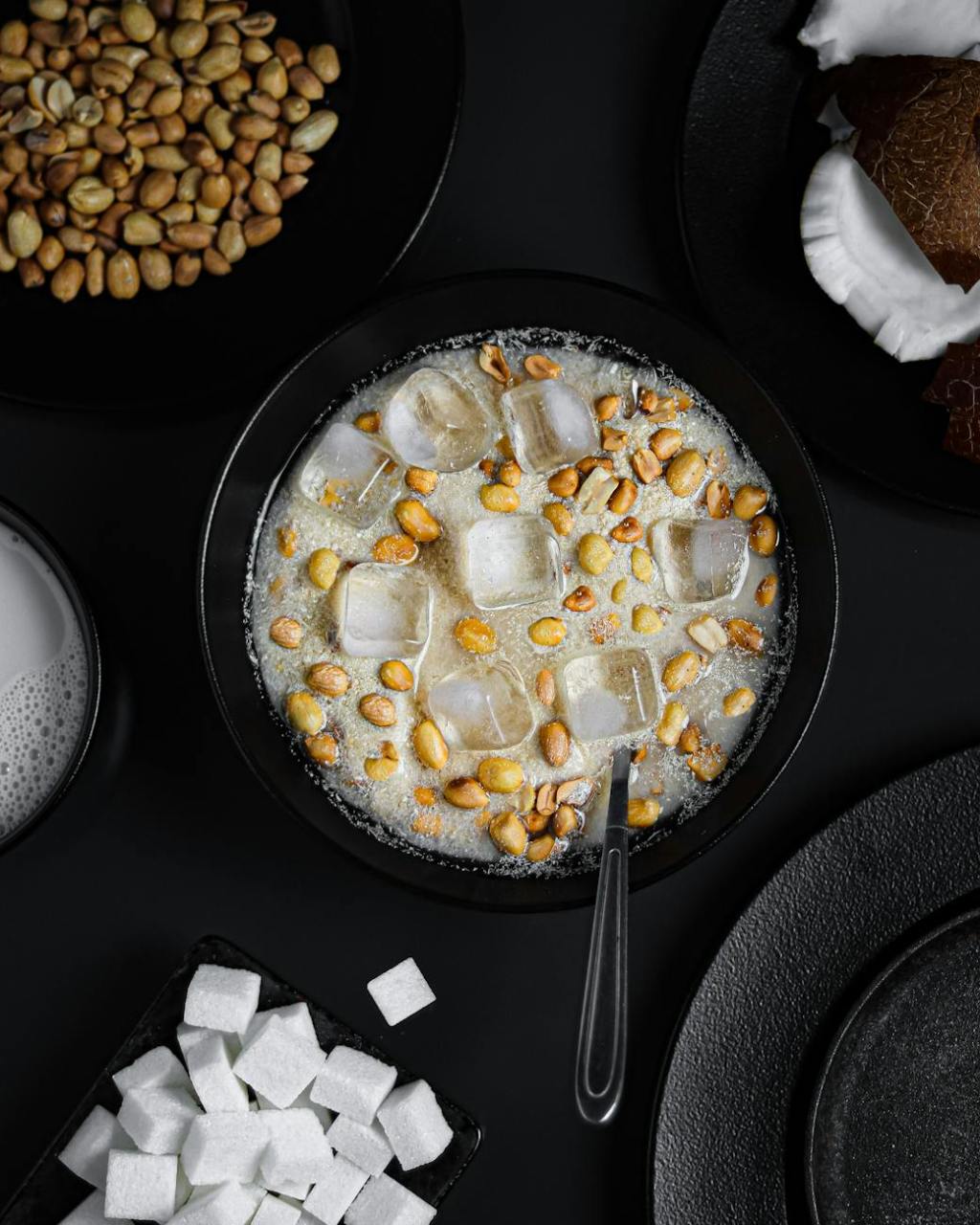
Cereal is more than a grain; it’s an existential dream of happiness and the maternal embrace. As kids, we didn’t just eat cereal—we engaged in epic love affairs with cartoon mascots, played mind-bending board games on the back of the box, and embarked on treasure hunts for plastic trinkets buried deep within the sugary abyss. We sent box tops to claim submarines, shirts, hats, and other merchandise that, in hindsight, had all the utility of a chocolate teapot.
My cereal obsession reached such dizzying heights that I fantasized about growing up to be a Major League baseball star who exclusively dined on cereal for breakfast, lunch, and dinner. In my dreams, I was a grocery store legend, cart packed to the brim with Cap’n Crunch, Franken Berry, Count Chocula, Froot Loops, and Lucky Charms. Cereal was my ticket to mindless self-gratification, whisking me away with Pinocchio to Paradise Island, where we’d lose our minds, sprout donkey ears, and bray like beasts in a symphony of sugary delirium.
In the 1970s, cereal spun tales of the good life and ultimate success. We gorged on granola, wheat germ, Wheaties, and Special K, convinced we were one spoonful away from becoming paragons of health, fitness, and suburban nirvana. One of the era’s cereal prophets was Euell Gibbons, the outdoor enthusiast who, with a straight face, asked us in Grape-Nuts ads, “Ever eat a pine tree? Many parts are edible.” Gibbons spun a yarn about Grape-Nuts that promised to ground us in the Earth, bestow vitality, and arm us with survival skills fit for a post-apocalyptic rainforest escapade equipped with nothing but a buck knife and a loincloth. In reality, eating the gravel-like cereal resulted in thousands of dentist visits for chipped teeth and a crunch so deafening, it drowned out the morning radio.
Despite all this, Grape-Nuts still haunt my cravings. The crunch and malty flavor have me hooked. I’ve read that Grape-Nuts are the only store-bought cereal that hasn’t been subjected to extrusion, that nefarious heating process that murders nutrients. Instead, Grape-Nuts are baked like a loaf of bread, ensuring that each bite is a dense, jaw-breaking tribute to my childhood.
There was a time in my adult life when I raged against the societal norms that prevented me from consuming cereal for all three meals. I longed for cold store-bought cereal for breakfast, oatmeal for lunch, and buckwheat for dinner. I envisioned my cereals adorned with peanut butter, walnuts, chia seeds, hemp seeds, and berries to pack in nutrients and calories. But my plan was thwarted by my wife and twin daughters, who, in their maddeningly rational mindset, refused to partake. Clearly, I was on the brink of an eating disorder, or perhaps my subconscious was grasping for the lost comfort and convenience of my cereal-drenched youth.
Yuval Noah Harari has plenty to say about our destructive quest for comfort and convenience in Sapiens. He argues that as foragers, hunting animals and gathering fruits, we were sharp, alert, fit like Special-Ops fighters, and generally happy. But when we settled down to farm, convinced we were making life easier, we fell for history’s biggest con. Agriculture, which brought us mountains of grains and cereals, was the dawn of obesity, tooth decay, impotence, arthritis, hernias, scoliosis, rampant thievery, economic disparity, starvation, infectious disease, mass animal cruelty, and misogyny. We weren’t duped by people but by wheat, rice, and potatoes—plants that manipulated us into cultivating them, chaining us to the fickle rhythms of the harvest, and inflicting more misery than any human could.
Maybe I was getting played by cereal. It wormed its way into my psyche, hijacked my thoughts, and turned me into a zombie who couldn’t watch TV without retreating to the kitchen for a bowl of cold cereal by 7 p.m., seeking the soothing crunch as I stared, glassy-eyed, at the screen.
My excessive thoughts on cereal point to Cerealphilia–a condition in which love for cereal evolves from innocent childhood affection into a full-blown emotional dependency masquerading as nutritional strategy. Cerealphilia sufferers don’t just eat cereal—they commune with it, fantasize about it, and defend it with the fervor of a late-stage cult member. Symptoms include justifying cold cereal for dinner as “wholesome,” craving the cardboard crunch of Grape-Nuts like a Pavlovian hit, and resenting anyone who dares suggest you diversify your diet. At its core, Cerealphilia is comfort-seeking disguised as health enlightenment, a warm milky bath for the soul stirred with nostalgia, rebellion, and a sprinkle of dietary delusion.
Diagnostic Checklist for Cerealphilia:
- Box-top Hoarding: You’ve considered raiding your attic for vintage box tops in case the Cap’n ever reopens the mail-order treasure vault.
- Cereal Monogamy: You’ve eaten Cap’n Crunch in more variations than you’ve had actual romantic partners.
- Midnight Communion: Your idea of unwinding involves a mixing bowl of cereal and a trance-like TV binge by 7 p.m.—without fail.
- Grape-Nuts Evangelism: You’ve told someone, without irony, that “many parts of a pine tree are edible” while crunching through Grape-Nuts like a woodland druid.
- Multi-Box Illusionism: You “rotate” between six cereal boxes to simulate dietary variety while consuming 99% corn and sugar in slightly different shapes.
- Mascot Emotional Investment: You’ve had an existential crisis over the retirement of Quake the Coal Miner.
- Snack Shame Evasion: You justify an evening bowl by claiming it’s your “light dinner” or “a superior protein vehicle.”
 Cinemorphosis
Leave a comment