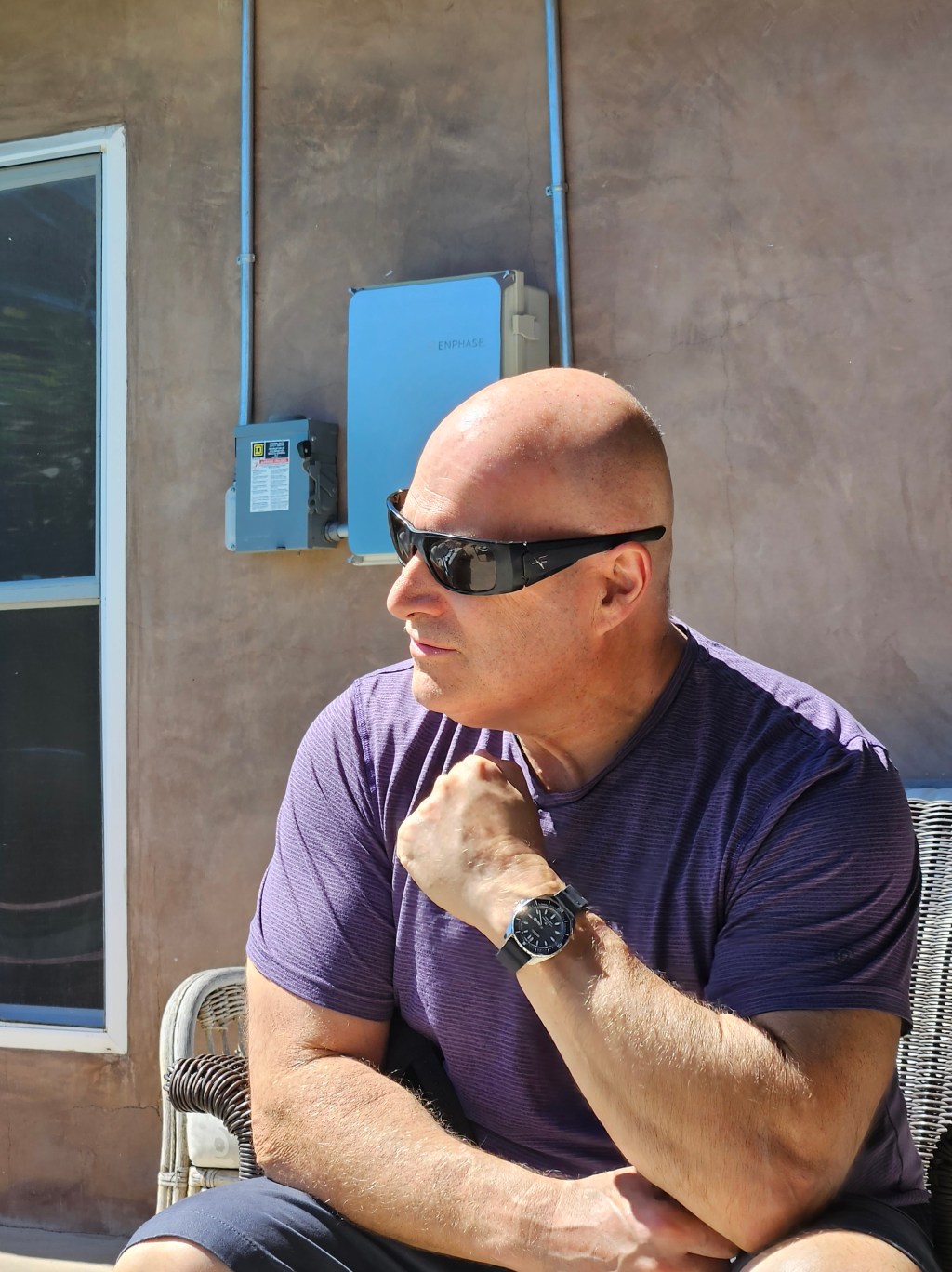
At thirteen, I became an Olympic weightlifter—because what else does a wiry, overachieving kid from suburban California do when puberty arrives like a freight train full of testosterone and insecurity? My coach, Lou Kruk, had the gruff certainty of a war general. His command: Squats. Lots of them. Squats were the foundation, the gospel, the holy writ. Lou didn’t care if your femurs screamed or your glutes cried for mercy—he wanted you buried under iron like a potato under mulch.
And I obeyed. I squatted in the gym. I squatted while playing goalie in soccer. I squatted in line during PE roll call, waiting for Ernie Silvera to butcher yet another attendance list. I even squatted in front of my locker, hoping posture would hide the acne. Eventually, the kids at Earl Warren Junior High stopped calling me by my name. I was simply: Squats.
But here’s the thing: squats weren’t just reps. They were a romantic infatuation with self-improvement. A ritual. A sacrament. I didn’t fall into squats—I plunged, like a lovesick poet into madness.
Fast-forward to middle age—forty years and one mid-life crisis later—I traded barbell bravado for kettlebells and met a new myth: the Turkish Get-Up. It felt like choreography from some warrior ballet: lie down like a slain gladiator, then rise with a kettlebell overhead like a triumphant god reanimating himself for vengeance.
Then came the Farmer’s Walk, and I was undone.
Here’s the scene: I grab a 48-pound kettlebell in one hand, a 53-pounder in the other, and saunter out of my garage barefoot like a lunatic monk of pain. I circle my Honda Accord, not for superstition, but for symmetry. Then I march around the front lawn, beads of sweat trickling down my temples, tank top clinging to my body like a polyester declaration of war.
The burn in my delts and forearms? Biblical. Especially when I’ve just finished kettlebell swings and around-the-worlds like some masochistic circus act.
Why do I love the Farmer’s Walk?
First: its austere simplicity. It’s manual labor disguised as exercise. I’m hauling metaphorical water, carrying invisible suitcases packed with existential weight.
Second: it taps into a fantasy. I imagine I’m a young, vigorous farmhand, righteous and virtuous, about to earn a sizzling plate of bacon and eggs just for showing up to life.
Third: it’s primal. I’m walking twin beasts, two snarling metal bulldogs, and I’m the alpha. My heart rate spikes, my skin gleams, and I feel, absurdly, alive.
But with greatness comes peril. I go barefoot, which means one mistimed drop and I’m dialing podiatry from the ER. If I stub my toe, I’ll be hobbling like a Dickensian orphan. Then there’s the risk of dinging my Accord, which would be both tragic and hilarious.
Yet the greatest threat isn’t physical—it’s psychological. I am, without a doubt, the neighborhood oddity.
My neighbors stare. They whisper:
“What’s he trying to prove?”
“Is he unraveling?”
“Is this a cry for help or a cry for gains?”
“Why doesn’t he take up pickleball like a normal old man?”
“Oh dear, that poor wife.”
But despite the scrutiny, I press on. I rise each morning with the enthusiasm of a caffeinated Spartan. I brew my coffee, stir my buckwheat groats, and prepare for my ritual. And when it’s time to perform my ceremonial promenade across the lawn, kettlebells in hand and sweat on brow, I do so with one thought:
Let them watch.
 Cinemorphosis
Leave a comment