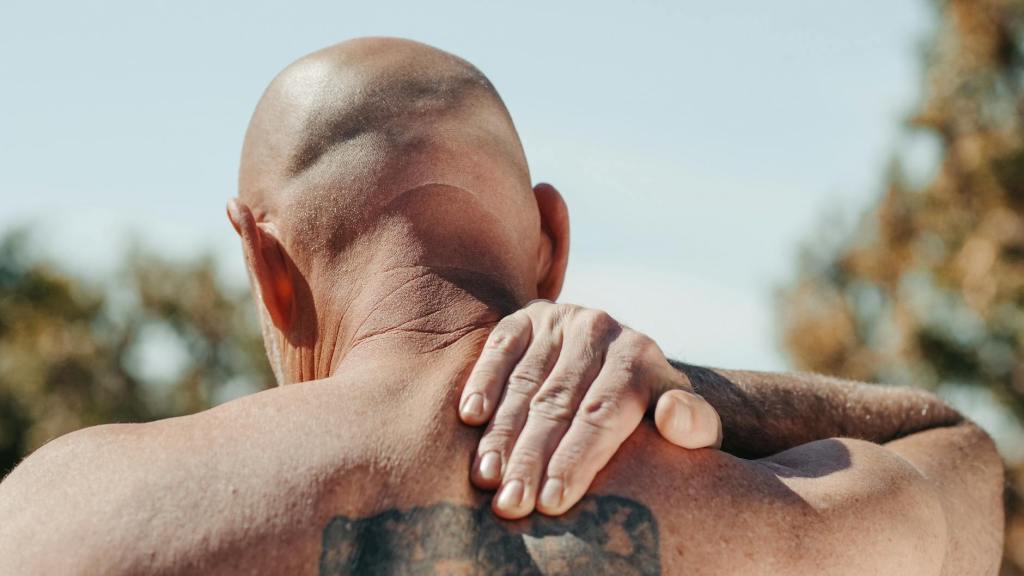
Six months ago, I didn’t tear my left rotator cuff in a moment of heroism or catastrophe. There was no dramatic pop, no cinematic collapse. This was a slow, quiet betrayal—the accumulated result of too many kettlebell sessions, too much weight, and too few rest days. Overtraining doesn’t announce itself. It keeps a ledger. One day the bill comes due.
The injury delivered more than pain. It delivered anxiety. Every movement carried a whisper of threat: one wrong reach, one careless angle, and the shoulder might unzip itself. I moved cautiously, slept poorly, and began a small, private relationship with fear. I visited the doctor, the physical therapist, and the ultrasound technician. I chose the conservative path—no MRI, no surgery—just the long road of rehab: light weights, resistance bands, patience.
Subjectively, the progress is real. Mobility has improved. Pain has eased. I’d estimate I’m about 70 percent back. But the injury has one cruel habit: the 3 a.m. wake-up call of throbbing pain. Lying still is the enemy of a damaged shoulder. Arthritis settles in like a squatter. The strange irony is that movement helps. Blood flow is medicine. A light workout often feels better than rest, which violates every instinct you have when something hurts.
The questions, however, remain. If full mobility returns in a few months, will the nighttime arthritis fade, or is this now part of the landscape? When I’m “healed,” does that mean I can return to moderate kettlebell presses, or is the future a permanent treaty with lighter loads and humility? Injury has a way of rewriting your contract with ambition.
My current training schedule reflects that renegotiation: two kettlebell sessions, two power yoga sessions, and two rounds a week on the Schwinn Airdyne—the machine I’ve come to call the Misery Machine. Kettlebells and yoga feel like disciplined bliss. The Airdyne feels like punishment administered by a research facility with questionable ethics. I’m less a human being and more of a lab rat. I don’t exercise on it so much as survive it.
If the bike is the physical grind, the real psychological battle is food. I know what to eat. I actually crave healthy food. My staples read like a nutritionist’s love letter: buckwheat groats, steel-cut oats, chia, hemp, pumpkin seeds, molasses, soy milk. High protein. High magnesium. Clean and intentional.
The problem isn’t what I eat. It’s how much—and why. Food is how my family connects. A couple nights a week means takeout. Mendocino Farms sandwiches that arrive with the caloric density of a small planet. Bread, desserts, shared indulgence. These moments feel like love, and they also keep me about thirty pounds heavier than I’d like to be.
There’s a hard truth here that no diet book can soften: you can’t pursue food like a hobby and expect to look like a fitness model. Appetite has consequences. Pleasure has a price. At some point you stop negotiating with reality, make your choices, accept the outcome, and move forward without the luxury of self-pity.
The shoulder, at least, is improving. Slowly. Imperfectly. But better.
 Cinemorphosis
Leave a comment