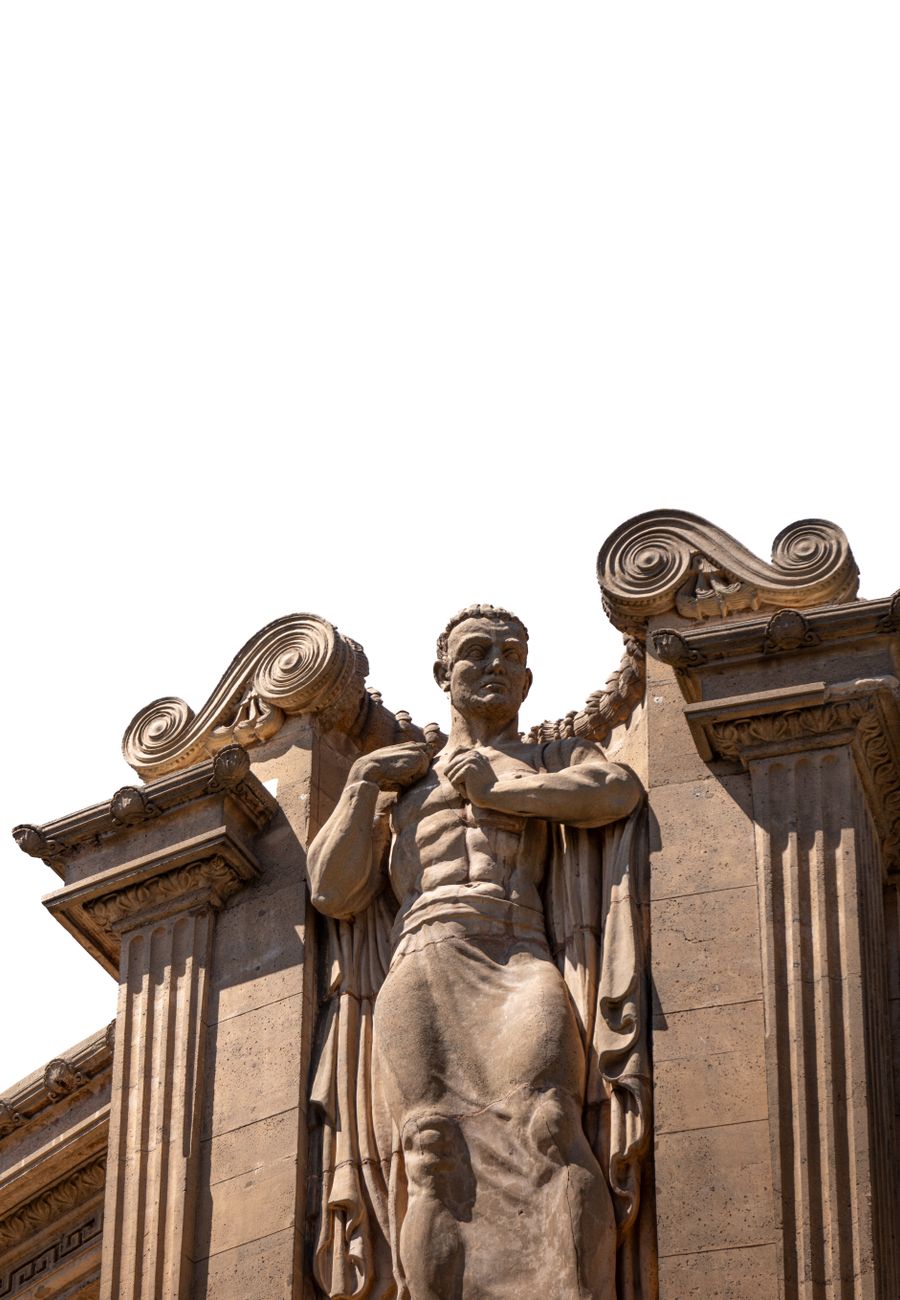
In my imagined novel Lifter, I borrow a page from Emmanuel Carrère and turn the investigation inward. The subject is not merely my lifelong devotion to weight training but the psychic hunger that made it feel less like a hobby than a form of emergency intervention. Why did I begin lifting weights at twelve? What wound was I trying to cauterize? What fear was I trying to overpower? Looking back, I suspect I wasn’t chasing health so much as prescribing therapy for a spirit burdened by cowardice, insecurity, and an almost inexhaustible sense of inadequacy.
The story begins before I ever touched a barbell.
As a boy, I was consumed by baseball. I imagined myself as a fearsome slugger, not because I dreamed of leading the league in home runs, but because I wanted opponents to recoil at the sight of me before I ever stepped into the batter’s box. My heroes were not graceful athletes. They were broad-shouldered giants: Willie McCovey, Harmon Killebrew, Dick Allen, Greg Luzinski, and Reggie Jackson. But towering above them all stood the legendary Ted Kluszewski, whose biceps were so enormous that, in my child’s imagination, they simply burst through the sleeves of his uniform like the Incredible Hulk erupting from Bruce Banner’s skin.
Only now do I recognize what fascinated me.
It wasn’t baseball.
It was metamorphosis.
I wasn’t captivated by batting averages or slugging percentages. I was captivated by spectacle. I wanted the crowd to gasp before I ever swung the bat. I wanted my body to announce my arrival before my performance had the chance to disappoint. I longed to become less an athlete than a mythical creature who wandered accidentally onto a baseball diamond.
In that fantasy, my muscles eclipsed the game itself.
The home run was secondary. The physique was the event.
Even as a child, I wasn’t pursuing athletic excellence so much as theatrical transformation. I wanted to become someone so physically overwhelming that ordinary rules no longer applied. If my body could become extraordinary enough, perhaps it could silence the ordinary boy trapped inside it.
That dream would outlive baseball.
It would follow me into bodybuilding, weightlifting, teaching, writing, and nearly every other pursuit I embraced. The details changed, but the longing remained stubbornly intact. Again and again, I sought transformation through achievement, hoping that each new accomplishment would finally extinguish the old feeling of insufficiency.
It never did.
The weights built stronger shoulders and thicker arms, but they proved remarkably ineffective at strengthening self-worth. Every reinvention promised belonging. Every reinvention postponed it.
Perhaps that has been the real story all along.
The barbell was never merely a piece of exercise equipment. It was my first attempt to lift something far heavier than iron. I wasn’t trying to transform my body so much as reinvent my soul. In the end, however, the Theology of Biceps proved incapable of saving me.


Leave a Reply