Alfred North Whitehead argued that religion arises from the desire to discover permanence in a transient world. Schopenhauer believed religion exists because we fear death. Tolstoy reached a more demanding conclusion. Death, he argued, forces us to make a choice: either surrender to despair or reshape our lives so that death cannot rob them of meaning. For Tolstoy, that reckoning culminated in religious conversion.
Most of us encounter this reckoning in waves. There are seasons when mortality remains an abstraction, politely waiting its turn. Then there are moments when it barges through the front door and makes itself at home.
The first time that happened to me was in 2004 with the death of football legend Reggie White. He had been born only a month after I was. At forty-three, he died from a cardiac arrhythmia related to sleep apnea. His death shook me, but I eventually regained my footing.
Then came Lance Reddick.
His death in 2023 hit me with far greater force. Reddick was sixty—my age. On screen he projected effortless authority. He played towering, intimidating police officers, wore a Tag Heuer as Chief Irvin Irving in Bosch, and somehow combined physical power with artistic refinement as an accomplished jazz pianist. He seemed built to endure. Seeing a man who embodied such strength simply vanish was profoundly disorienting. Nearly every day for the past three years, his death has crossed my mind.
As if that weren’t enough, Facebook has become an obituary page for my adolescence.
High school classmates—people who were posting vacation photos, political opinions, and pictures of their grandchildren only weeks earlier—suddenly reappear as memorial tributes. Healthy faces become framed portraits. Birthday wishes become eulogies. A life that looked perfectly ordinary on Tuesday has become a remembrance by Friday.
The algorithm has quietly become an undertaker.
Against that backdrop, my own routines begin to feel faintly absurd.
There I am on my exercise bike, obsessed with burning exactly seven hundred calories in under an hour. I calculate how many grams of omega-3 a can of salmon will contribute to lunch. I debate whether next week’s garage workout should include walking lunges with twenty-pound kettlebells. I fine-tune my health strategy with the seriousness of a NASA engineer.
And yet another part of me whispers that I am merely organizing deck chairs above a collapsing floor.
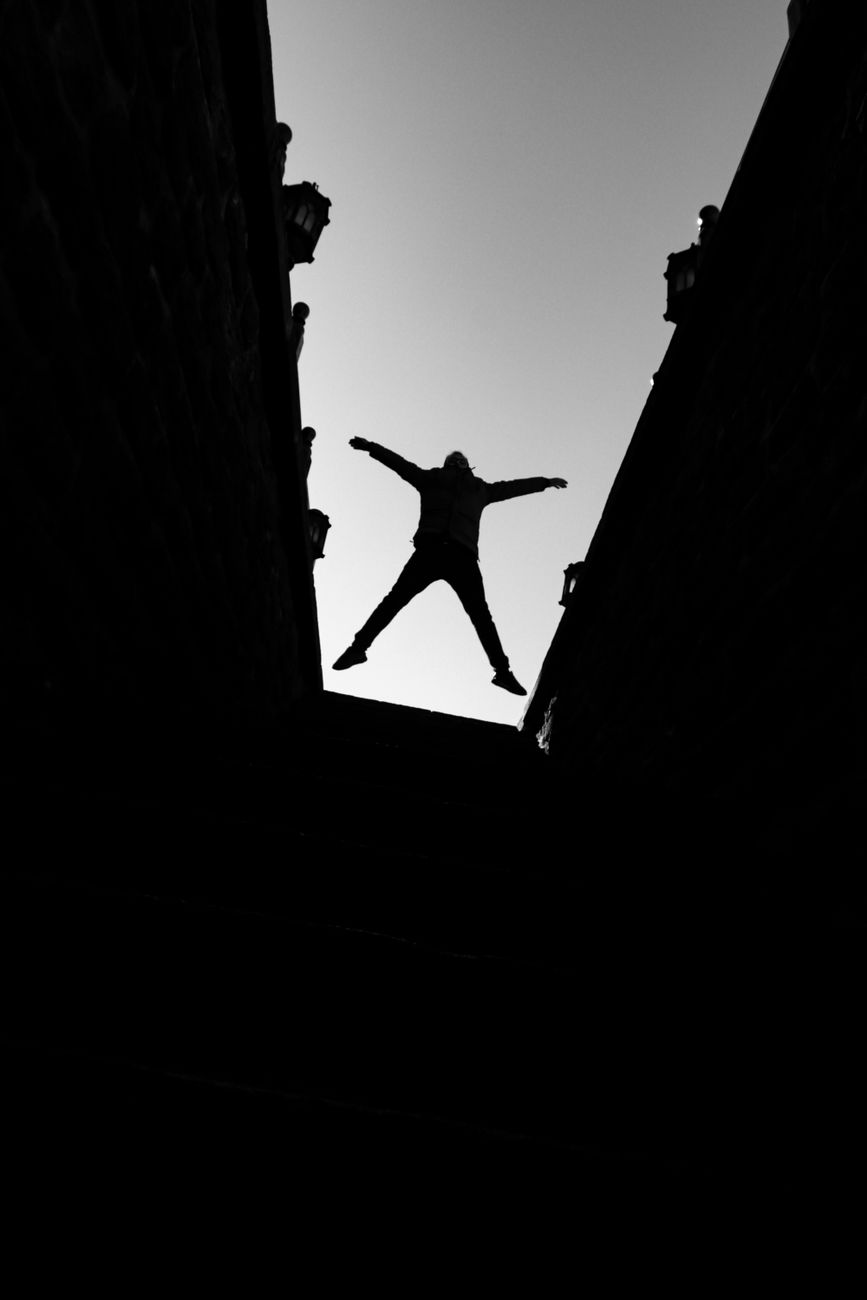
At times I feel consumed by what I call The Trapdoor Effect: the unsettling awareness that beneath the routines of ordinary life—planning meals, exercising, paying bills, booking vacations, arguing over cholesterol, buying retirement clothes—lies an invisible trapdoor that may open without warning. We behave as though the future belongs to us, when in fact we possess nothing more than a reasonable expectation that tomorrow will resemble today.
That expectation is comforting.
It is also, perhaps, life’s most necessary illusion.


Leave a Reply