The television series Best Medicine follows a neurotic, antisocial city doctor who relocates to a small coastal town in Maine and discovers, to his horror, other human beings. Gradually, the townspeople penetrate his emotional armor and teach him how to connect, belong, and presumably stop behaving like someone who regards casual conversation as an infectious disease.
We’ve been here before. Northern Exposure built an entire world around the city doctor exiled among lovable eccentrics. Schitt’s Creek perfected the transformation of prickly outsiders through prolonged exposure to decent people. Best Medicine doesn’t pretend to have discovered a new continent. It arrives at a familiar resort, puts its suitcase on the bed, and settles in.
Nor is it profound television.
No one is going to teach a graduate seminar on its metaphysics. You don’t finish an episode and stare silently through the window while reconsidering the foundations of Western civilization. The characters are eccentric but lovable, the town is picturesque, the conflicts remain manageable, and a warm heart beats beneath the entire production.
Naturally, I enjoy it.
My wife and I can sit down together and enter this agreeable little Maine universe where damaged people are basically decent, neighbors care about one another, and the human condition can usually be repaired before bedtime.
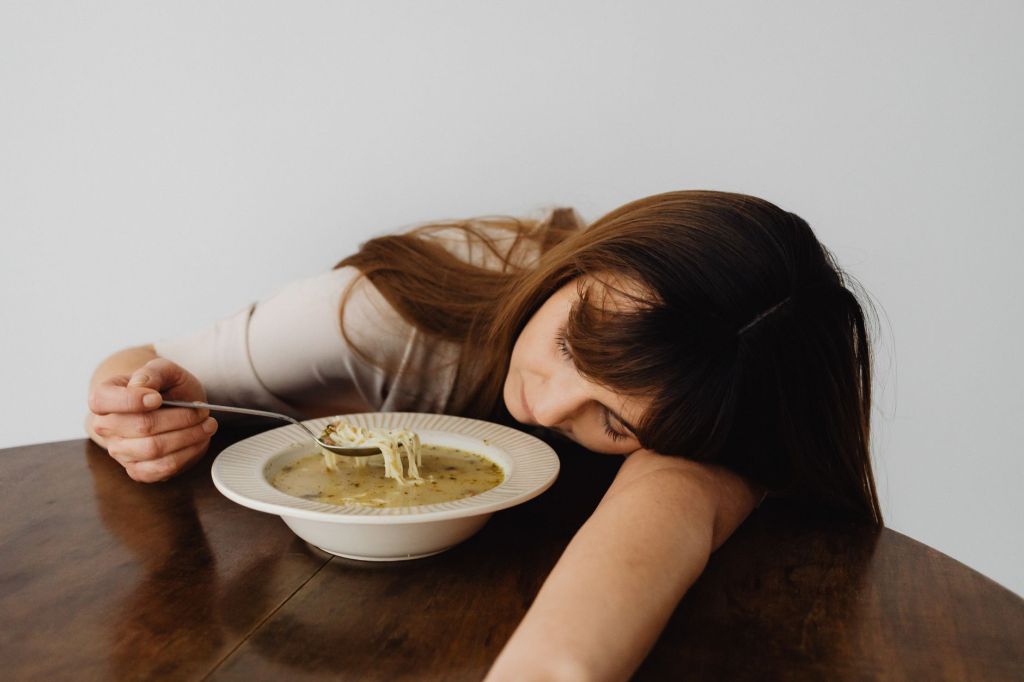
This is Cognitive Comfort Food: warm, undemanding entertainment consumed not because we’ve abandoned serious thought but because serious thought occasionally needs to shut up.
The distinction matters.
I know Best Medicine can be sentimental. The show knows it too. You can practically see the writers wheeling the emotional casserole into the oven. Here comes the lonely eccentric. Here comes the misunderstanding. Here comes the unexpected kindness. Give it forty-five minutes at 350 degrees and somebody will learn something about friendship.
Fine.
I’ll have seconds.
Normally, sentimentality makes me suspicious. I can see the machinery. I can hear the violins warming up behind the curtain. I know when a television show is reaching into my chest and squeezing the designated emotion gland.
But there are evenings when I don’t want to fight it.
The real world has already done enough.
To say that the world is nasty is hardly an insight. Human beings have been murdering, cheating, betraying, invading, exploiting, and humiliating one another since somebody first discovered that a rock could be used for something other than sitting.
What has changed is our access to the spectacle.
We now carry a global misery-delivery system in our pockets.
War before breakfast. Political outrage with lunch. Murder during the afternoon. Environmental catastrophe before dinner. Then a few minutes of social-media lunacy before bed, just in case the nervous system had somehow retained a molecule of serenity.
Scroll.
Atrocity.
Scroll.
Corruption.
Scroll.
Some lunatic screaming into a camera from the driver’s seat of his car.
Scroll.
Civilization apparently ending again.
Against this backdrop, Best Medicine begins to look less like escapism than neurological first aid.
For an hour, nobody is trying to overthrow a government.
Nobody is uploading a manifesto.
Nobody is explaining why the apocalypse will arrive Thursday.
Instead, a neurotic doctor is learning to tolerate his neighbors in coastal Maine.
Perfect.
Cognitive Comfort Food works because it asks very little from us. Serious art can be magnificent, but serious art is greedy. It wants attention. It wants interpretation. It wants us to confront ambiguity, suffering, mortality, moral compromise, unreliable narrators, fractured identities, and the terrifying possibility that the protagonist’s crisis is somehow our crisis.
Sometimes I don’t want a crisis.
Sometimes I want mashed potatoes.
This doesn’t mean I’ve surrendered my standards. I haven’t decided that every television show should resemble a Hallmark movie in which a high-powered attorney returns to Vermont, saves the family Christmas-tree farm, and marries a carpenter named Luke.
There is a difference between living on Cognitive Comfort Food and occasionally needing it.
Nobody should eat cheesecake for every meal.
But after chewing through the gristle of contemporary life all day, a little cheesecake isn’t evidence of moral collapse.
Nor does watching an uncomplicated television show necessarily dumb us down. The opposite may occasionally be true. The brain needs recovery just as the body does. Nobody finishes a hard workout and announces that resting afterward represents a betrayal of physical fitness. Yet we sometimes imagine that an intelligent person should remain intellectually clenched from breakfast until bedtime.
Read the difficult novel.
Study the political crisis.
Listen to the serious podcast.
Watch the prestige drama about intergenerational trauma.
Contemplate death.
Repeat.
Eventually the brain files a grievance.
So my wife and I sit down and watch Best Medicine.
We forgive its sentimentality.
We forgive its lovable eccentrics.
We forgive the suspiciously therapeutic properties of small-town Maine.
Most importantly, we forgive ourselves for enjoying it.
Tomorrow there will be plenty of time for difficult books, serious arguments, moral ambiguity, and the latest evidence that civilization is being operated by raccoons who have broken into the control room.
Tonight, I’ll take the mashed potatoes.
The brain needs comfort food too.
Sometimes that’s the best medicine of all.
 Cinemorphosis
Leave a comment