When I was five and coming home from my fifteen-minute walk from K.R. Smith Elementary, I began to notice a pattern. I’d open the front door of our Royal Lanai apartment in San Jose, and there, reliably, would be my mother, wearing black-rimmed glasses and her hair in curlers, ironing clothes in front of Monty Hall, the host of Let’s Make a Deal, on our black-and-white TV. On the nearby kitchen table was my peanut butter and jelly sandwich on a paper towel next to a copy of the San Jose Mercury News.
I loved coming home and knowing what to expect: the premade sandwich, Monty Hall, and the pleasing smell of heated cotton on an ironing board. At five, the predictability of domestic life created the one condition that could make me happy. It made me feel cozy. This state of happiness required familiarity, routine, and repetition. I didn’t like unknown variables. Everything had to be just so for me to feel cozy.
If I stayed home sick with a cold, I had to watch Pat McCormick’s puppets Charley Horse and Humphrey Hambone. Watching the rain pitter-patter against the window and hearing my parents’ swan-neck coffee percolator sputtering rhythmically while I slurped Lipton’s chicken noodle soup and watched the puppets made me feel cozy.
I didn’t realize it then, but popular TV shows were successful partly because they made viewers feel cozy. You didn’t just watch Gilligan’s Island. You lived there and knew the castaways’ personalities as well as those of your own family members. The same was true of I Dream of Jeannie and Bewitched. You knew the characters’ foibles so well that you grew to love them, and you somehow knew that no matter how badly things went, harmony would eventually be restored.
One of the coziest TV shows of all time was The Flintstones. You knew the distinctive laughs of Fred Flintstone and Barney Rubble. You knew their wives, Wilma and Betty, were predictably pretty and emotionally balanced. Then something horrible happened one season when the characters’ voices changed drastically. None of them sounded right. It was as if they had all perished and been replaced by zombie spirits. This was not cozy. This was a betrayal and a shock to a child. One day, your favorite Flintstones characters were taken away and replaced by imposters. This made me anxious, as if someone had pulled a rug from underneath my feet. I had to change the channel to Green Acres or Petticoat Junction to get my cozy back.
This constant hunger for cozy seems normal for a child, but what if that hunger follows you through adolescence and adulthood? Have you really grown up?
I’m not certain I ever have.
At twelve, I took up weightlifting because exercise made me feel cozy. The routine, the protein shakes, the fitness goals, the revised workout schedules typed on an IBM Selectric, and the idea that I was charting a course of continual self-improvement all made me feel cozy.
When I went to college, I always turned in my work early. Being ahead of schedule was cozy. Being behind schedule was not.
When I started teaching college writing forty years ago, I discovered that I loved making the course syllabus. The meticulously scheduled assignments and clearly laid-out protocols and policies made me feel cozy.
Wanting to be cozy has its drawbacks. I don’t like vacations because there are so many variables I can’t control: traffic, delayed flights, sudden weather changes, and unfamiliar environments that interfere with my home routine. All these factors make vacations less rejuvenating than they’re supposed to be. However, I do like vacations because returning home intensifies my sense of coziness. I appreciate my home life more than ever.
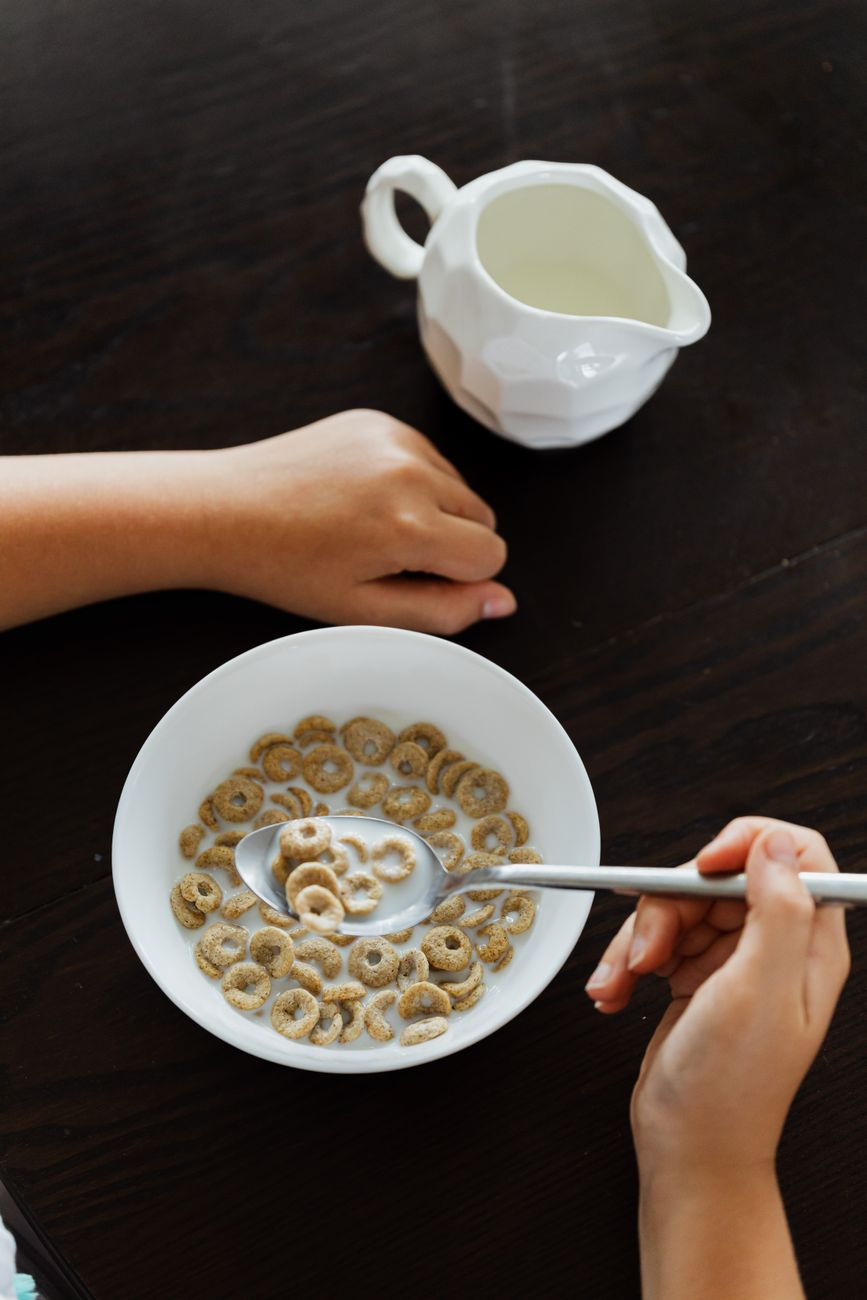
Another thing about my love of routine is that it defines me to others. I remember living in a house during the 1980s with Chris and Karl, a married couple I’d known since high school. They noticed that I followed a very pronounced routine. My workout, study, and eating schedules ran like clockwork. They also noticed that every night at 10:30, I’d eat a bowl of Cheerios with a swirl of honey because it helped prepare me for sleep.
At the time, I worked at a wine store. My shift ended at ten. I was always home by 10:15, and I always ate my Cheerios at 10:30 at the kitchen table.
One night, I couldn’t get home because a Cal football game had caused a traffic jam. I took a detour and ended up at a record store, where I bumped into some friends. We went to a café and hung out until the traffic cleared. I didn’t get home until one in the morning.
My roommate Karl told me he woke up around that time and heard what he thought was a burglar rummaging through the kitchen. His body stiffened. But then he heard the sound of Cheerios pouring from the box into a bowl. It was an unmistakable sound. He knew it was me.
No longer frightened, he breathed a sigh of relief and smiled, knowing I was having my Cheerios.
I’m certain I know the feeling he experienced.
He felt cozy.


Leave a Reply