When the deep reading of long and complex writing is no longer the fabric of our culture, there will be a vacuum. It will be filled, of course. What fills the vacuum is not pretty. It is chaos, unbridled passions, dopamine, outrage, and a nightmarish phantasmagoria from which there may be no return.
I keep coming back to Childish Gambino and his music video “This Is America,” in which cars are aflame, people are dancing amid the violence, chaos, and rubble, and the young generation is perched above the hellscape, distracted by their smartphones. The singer refers to the phones as “tools.” These tools can capture the chaos but cannot make sense of it. They can also serve another function: hijacking the brain. As the fires rage and the chaos intensifies, the mind is soothed by a new dance or cat video. Or one becomes engaged with a conspiracy and feels special for having the mindfulness to give credence to something the dumb masses have dismissed. Meanwhile, the hellscape gets worse as ordered reality recedes into the distance.
Becoming untethered from reality, losing civic order, becoming addicted to screen-fueled dopamine, and living in ever-growing chaos is not the hellscape of the future. It is now. James Marriott sees this hellscape as the direct result of our loss of reading. In his book The New Dark Ages: The Death of Reading and the Dawn of the Post-Literate Society, his central argument is that literacy is essential to maintaining civilization. As he writes in his introduction: “I believe much of the disorder and unreason of the twenty-first century is a direct consequence of the fading of the written word and colonisation of our culture by addictive screens. As reading declines, the result, evident all around us, is the intellectual hollowing out of our society. Without reading, the world is going to become less rational and more disordered.” His book argues that we have not yet “fully grasped the consequences of this transformation” from reading books to gazing at content on screens.
The way we absorb information as a result of technology presents a moral dilemma in the way I communicate with others. Do I stop writing and make “content” that is accessible to people acclimated to a world in which reading has been replaced by digital content? To be more specific, do I abandon the project of my blog and replace it with video essays meant for publication on YouTube? If I do so, am I part of the problem, kowtowing to a digital world of frictionless rewards, or am I simply being reasonable by communicating with people in the way they are most likely to receive ideas?
I do have a blog. I enjoy keeping it active and posting almost every day, but if I write an essay on the blog and don’t post the link to my YouTube channel, only about five people will read it. If I post the link, I might get thirty visitors. On the other hand, if I take the same content, sit in front of a video camera for twelve minutes, and post the video essay on YouTube, I can get a few thousand views over the course of a few days. There is no contest. The evidence has made it clear. People don’t want to read my content. They would rather watch me sit with my ebony Yamaha piano behind me and talk about a subject for ten to fifteen minutes.
So I have to make a choice. I can post something on my blog and be the tree that falls in the forest and makes no noise, or I can deliver a video presentation in which I try to make my personal challenges relevant to others and have a voice that actually gets heard.
To clarify the situation even further, I have a hundred subscribers to my blog. I have over eleven thousand subscribers to my YouTube channel. I can see the communication landscape clearly. You go to work where the job is. There isn’t much opportunity to spread my ideas in the blog market. There are more opportunities on YouTube.
I don’t take YouTube for granted either. I tell my viewers that, as a middling presence on YouTube, I view my channel like a restaurant. It stays open as long as the customers show up. It took a long time to get a substantial audience. For a decade, I talked about my watch obsession, did “State of the Watch Collection” videos, and interrogated my watch-related madness. Fellow watch enthusiasts could relate. We took solace in knowing we weren’t alone. We understood each other.
But eventually, this path presented some challenges. I could only talk about my watch addiction for so long before I began repeating myself. As other YouTubers created more and more polished and highly edited watch videos, I found myself feeling redundant and technologically backward in that world. I had to make a lane change.
My subject matter broadened to include my personal life challenges, such as living in my sixties and preparing financially and emotionally for retirement. Sometimes I’d throw in some watch talk, most noticeably my pivot from expensive mechanical diver watches to more affordable G-Shocks. The older I got, the less I wanted to deal with owning and servicing mechanical watches and the more I was comforted by the atomic accuracy and solar power of my G-Shocks.
To my surprise, a sit-down video essay can perform better than a video featuring a watch close-up. I think I know why. YouTube viewers have become sophisticated enough to know that I don’t have anything special to offer in delivering watch eye candy. My strength is the video essay. I will lean into it and keep it going. I retire the channel when the customers stop showing up.
Of course, I lament our post-reading world, the one James Marriott has described with such sharp insight and clarity. Of course, I am disappointed that I am not a published writer with a significant following. But I’m reminded of when I play Yahtzee. My daughter and I use a common expression when we’re aiming for a high score, such as getting a large straight, and end up having to settle for a small straight. Instead of complaining about the lot given to us, we say, “I’ll take what I can get.”
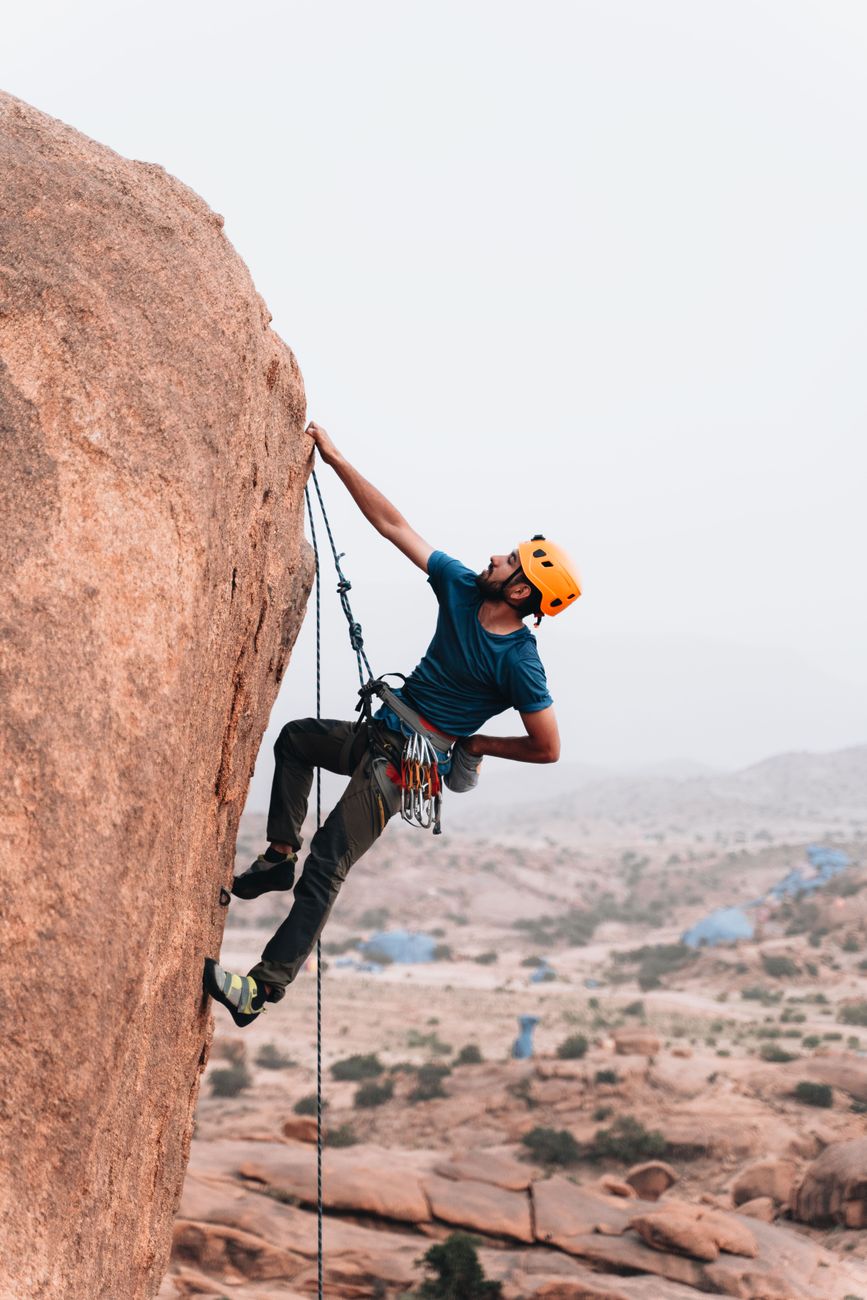
If there is an audience out there that hungers for authentic ideas in a ten-minute video, then I will use that hunger as a toehold, stick my foot into it, and try to leverage myself up the mountain. I’ll keep ascending that world of ideas until I can no longer find footing and the unforgiving landscape demands that I stop climbing.


Leave a comment