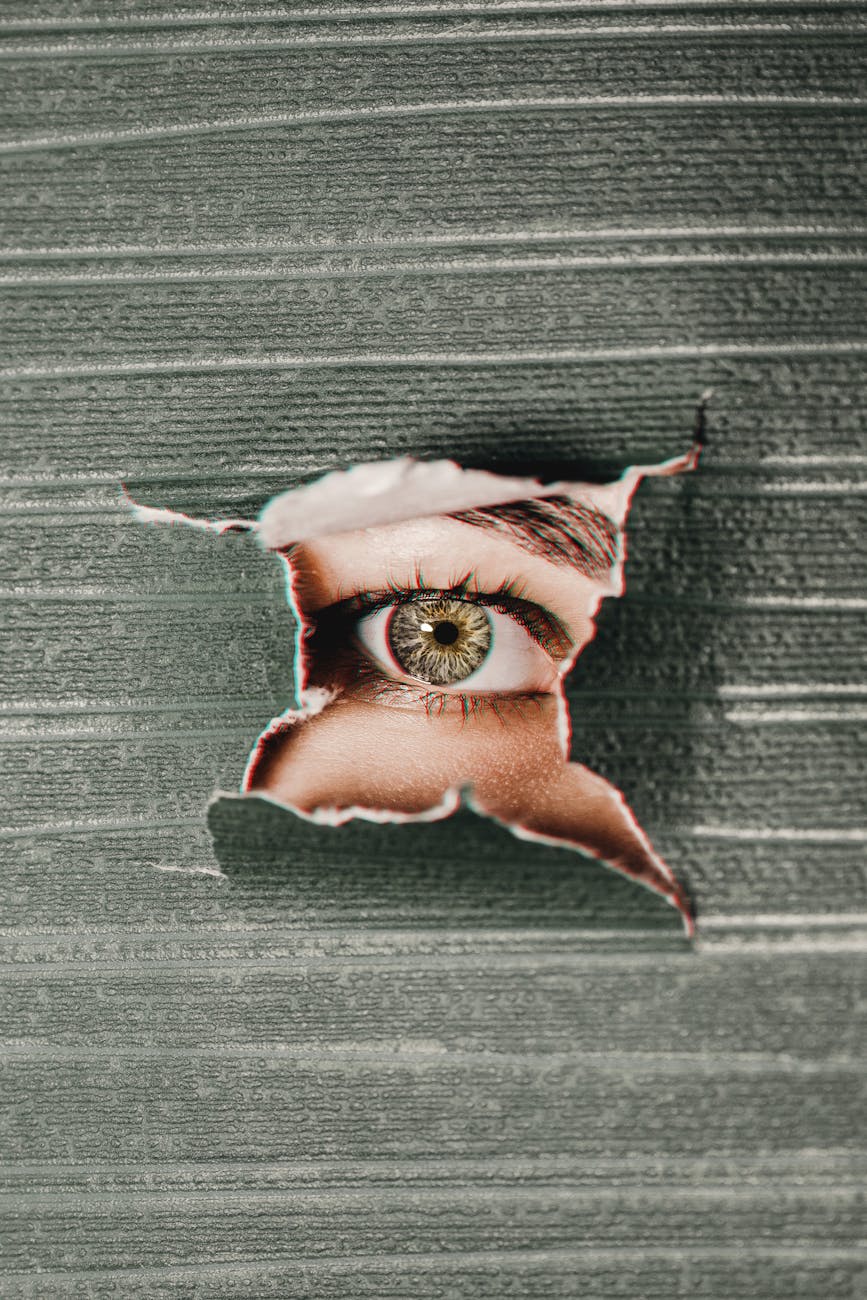
Any honest account of watch addiction must confront its most uncomfortable chapter: financial infidelity.
The watch obsessive does not merely inhabit a fever dream of dials and bezels. He is a consumer training his appetite the way a bodybuilder trains a muscle. Each purchase lowers resistance. Each box on the doorstep normalizes the next. What begins as an occasional indulgence becomes a rhythm, then a pattern, then a supply chain.
At first, his wife is charmed. A parcel here and there. A harmless hobby. A grown man treating himself to a toy.
But frequency is the tell.
Soon the packages arrive too often, too predictably, like clockwork. The enthusiast recognizes the danger before anyone says a word. And so the hobby evolves. Deliveries rerouted to the office. A friend’s address. A rented mailbox. The collection expands. The domestic narrative is quietly edited.
The line is crossed when the money changes categories.
Vacation funds become “temporary reallocations.” Home projects become “later.” College savings become “untouched in principle.” And somewhere along the way, a Swiss luxury watch appears that cannot be explained without a level of honesty the buyer is no longer prepared to offer.
Behavior adapts to the secrecy.
Watches are swapped during the day so no single piece attracts attention. New arrivals are unboxed during strategic windows of solitude. Lume checks are performed under blankets like a teenager hiding a flashlight after lights-out. YouTube reviews are watched with the sound off.
To the outside world, he is a responsible husband and father.
Privately, he operates a parallel identity.
This condition has a name: Domestic Double Life Disorder—the psychological split in which a man performs stability and restraint in public while privately sustaining a covert economy of acquisition, concealment, and rationalization.
For some, the weight of the split becomes unbearable. Guilt accumulates. The numbers add up. The secrecy grows exhausting. And one day, the buying stops.
The result is not relief.
It is silence.
No packages. No tracking numbers. No late-night research. No private surge of anticipation. Life becomes honest—and strangely flat. For a man accustomed to the adrenaline of concealment and the dopamine of arrival, integrity feels less like freedom and more like withdrawal.
This is the danger point.
Because if honesty feels empty and secrecy felt alive, the relapse writes itself.
The addresses reappear. The justifications return. The private economy resumes. The double life feels, once again, familiar. Efficient. Even comforting.
For some watch addicts, deceit is not the problem.
It is the habitat.
 Cinemorphosis
Leave a comment