The three-season comedy Loudermilk follows Sam Loudermilk, a recovering alcoholic played by Ron Livingston with the weary eyes and emotional gravity of a man who has seen too much of himself. Loudermilk is a music critic and group-therapy counselor operating out of a church run by a priest who tolerates him the way a landlord tolerates a tenant who pays on time but keeps starting small fires. Loudermilk insults everyone in sight—clients, friends, strangers, furniture—but beneath the sarcasm is a man fighting the most difficult opponent there is: himself. The misfits around him bicker, sabotage one another, and occasionally behave like emotional demolition crews, yet they remain bound by a shared reality. Addiction is not a single enemy. It is a civil war.
Watching the show clarified something about obsessive personalities: the real damage comes from the voice inside the head. Addicts rarely need outside criticism. They are already running a full-time internal tribunal.
Watch obsessives understand this well.
Many of us live under a regime of Precision Self-Punishment—the habit of applying the same microscopic standards we use to judge watches to our own decisions, purchases, impulses, and regrets. Alignment must be perfect. Judgment must be flawless. Every mistake is measured in tolerances.
The community, like Loudermilk’s circle, exists partly for the same reason: belonging. We gather because the outside world doesn’t understand why a dial texture can occupy the mind for hours or why a purchase can trigger both joy and self-reproach. We come looking for a place where our obsession isn’t dismissed—and where our self-criticism might soften.
But there’s a pattern most enthusiasts eventually recognize.
We are too hard on ourselves.
We laugh at the madness. We make jokes about “the addiction.” But the humor doesn’t erase the anxiety, the late-night research spirals, the quiet exhaustion that comes from caring too much, too often, for too long.
The deeper problem isn’t weakness.
It’s stamina.
Obsessive personalities can endure astonishing amounts of mental strain. We can run the hobby like a marathon at sprint pace—research, compare, doubt, regret, repeat—long after the activity has stopped being restorative.
At some point, exhaustion becomes the only honest signal.
That’s when a few enthusiasts do something radical: they tap out.
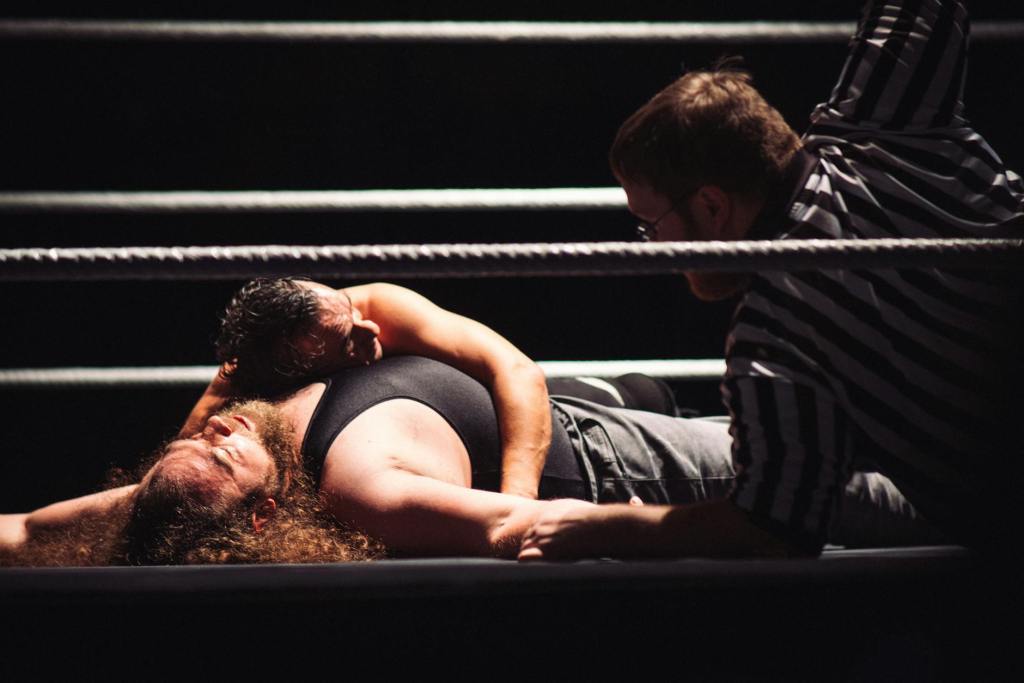
No drama. No manifesto. They simply stop. They step back, lie down on the mat, and let the hobby breathe without them. Some return later with healthier boundaries. Others recognize that the hobby has become a 300-pound opponent they were never meant to fight and quietly leave the ring for good.
This moment is the Tap-Out Threshold.
It’s the point where the hobby has crossed an invisible line—from pleasure to pressure, from curiosity to compulsion. What once gave energy now drains it. Late-night research feels heavy instead of exciting. The next purchase feels like obligation instead of discovery.
And here’s the crucial part: the threshold does not arrive with drama.
It arrives with fatigue.
At that point, the solution is no longer refinement, consolidation, or one final “correction purchase.” The solution is surrender—stepping back, stepping away, or stepping out entirely.
The Tap-Out Threshold isn’t failure.
It’s the moment when clarity finally outweighs momentum—and the enthusiast chooses peace over the fight.

 Cinemorphosis
Leave a reply to Neural Foundry Cancel reply