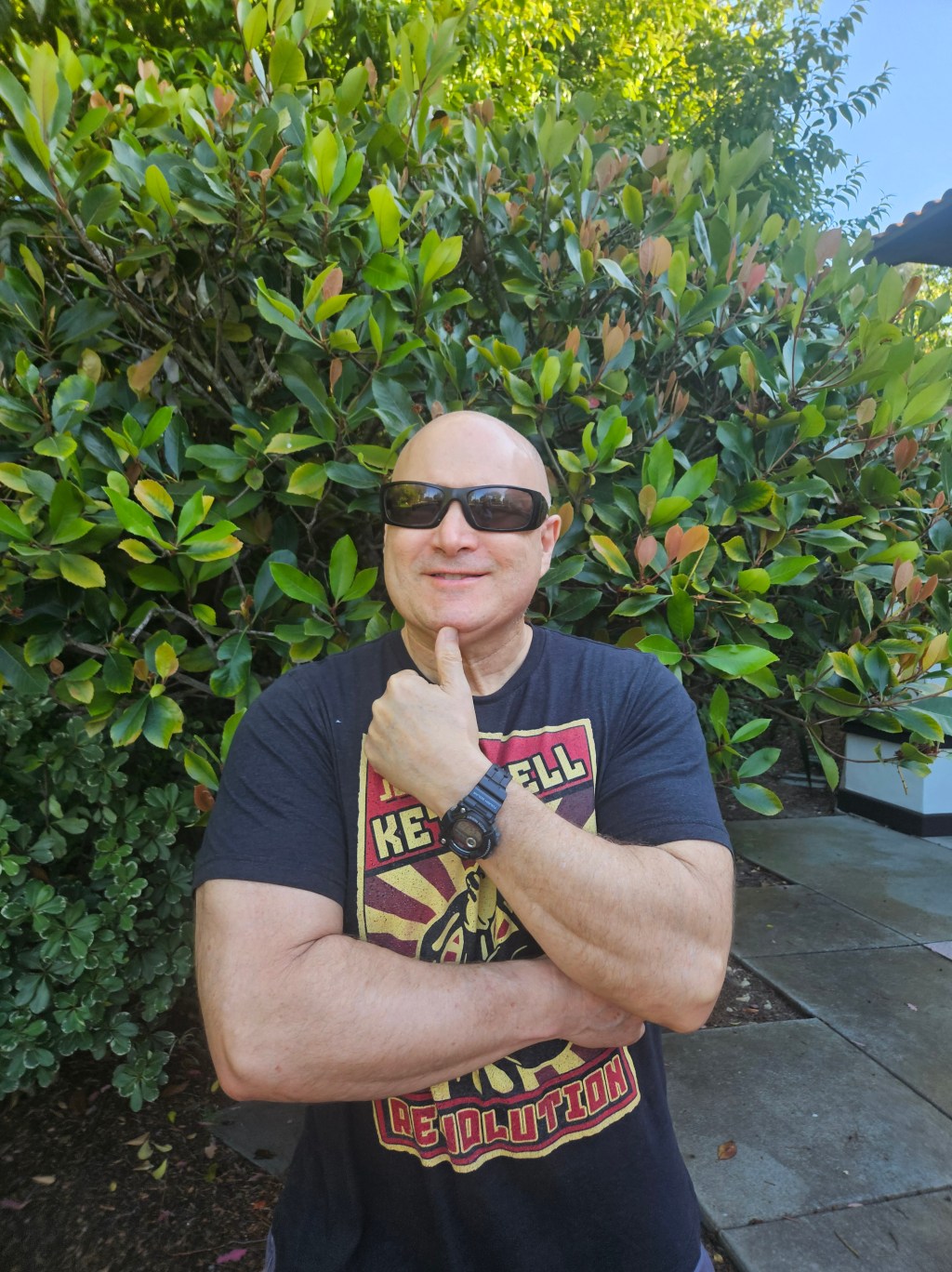
Yesterday I stepped into a small knot of colleagues in the corridor, that narrow strip of campus where ideas briefly outrun the clock. We traded jokes about the recent Canvas collapse in which all our attendance, grading records, and lesson plans evaporated due to hackers demanding ransom money; we congratulated ourselves for having our lectures safely parked on Google Slides, and circled the usual anxiety about AI—this new auditor that has wandered into the classroom and begun asking uncomfortable questions about our usefulness. The conversation had the easy rhythm of habit. No one spoke as if I were leaving.
So I reminded them: I’m close to sixty-five with forty years of teaching under my belt. I have one year to go.
S shook her head as if I had announced a mild illness. I shouldn’t retire, she said. I thrive on the friction of the place—the chatter, the debate, the daily collision with students. I am a gasbag extraordinaire. Besides, she added, men don’t retire well. Men don’t cultivate friendships the way women do; they don’t maintain the networks that keep the emotional weather from turning bleak.
I admitted what I already know. I have two friends. I see them rarely enough to qualify as seasonal.
“I’m an appetizer,” I said. “People enjoy me in small doses.”
S dismissed that with a wave. “No. You’re a sprawling Las Vegas buffet.”
The hallway erupted with laughter. It was a generous line and a dangerous one. Flattering, because it confirmed what I trade on: conversation, wit, the ability to animate a room. Terrifying, because buffets are not known for cultivating long-term friendships, and I have no second act of friendships waiting in the wings.
Oddly, the exchange reinforced my decision to retire in spite of my good physical health. Staying on the job to stave off loneliness is a poor reason to keep a desk. It erodes dignity and, eventually, the quality of the work itself. A classroom deserves more than a man using it as a social life raft.
The conversation ended the way these corridor encounters always do—with a sudden glance at the time and a polite tearing-away, each of us sprinting back to our assigned rooms before we become late versions of ourselves. Those moments are rare and bright—half a dozen a year, if that—and they carry a dangerous illusion: that their warmth can be stretched across an entire calendar.
They can’t.
I will miss them. I will miss the quick intelligence, the laughter, the feeling that something alive is happening just outside the classroom door. But a handful of good conversations a half dozen times a year does not justify postponing an ending that has already announced itself.
I could stay three more years. I would be sixty-eight, still having the same conversation in a slightly older voice. My challenges would not change; only the date would. Delaying the inevitable is not a strategy. It’s a habit.
So I’ll leave while the hallway still feels like a gift—and before it becomes an excuse.
All those years of campus gasbaggery must have lifted me—socially, psychologically, perhaps even spiritually—in ways I can’t quite quantify. What I can measure is my dependence on that lift. I’ve grown accustomed to the daily inflation: the classroom as stage, the captive audience, the steady drip of relevance. Remove that, and I’m left with the unnerving question of what remains when the applause stops.
Now I find myself at a crossroads that isn’t really a crossroads at all. I can learn to construct a new life—quieter, less theatrical, possibly more honest—or I can cling to the old one with the desperation of a man hugging a sinking ship, all while calling it dignity. That second option has the appeal of familiarity and the stench of denial.
So let’s not pretend this is a choice. Retirement is not a whimsical lifestyle pivot; it’s a forced course correction, a deviation imposed by time whether I approve or not. I’m frightened, yes—but fear, unlike tenure, does not come with the option of renewal.


Leave a comment