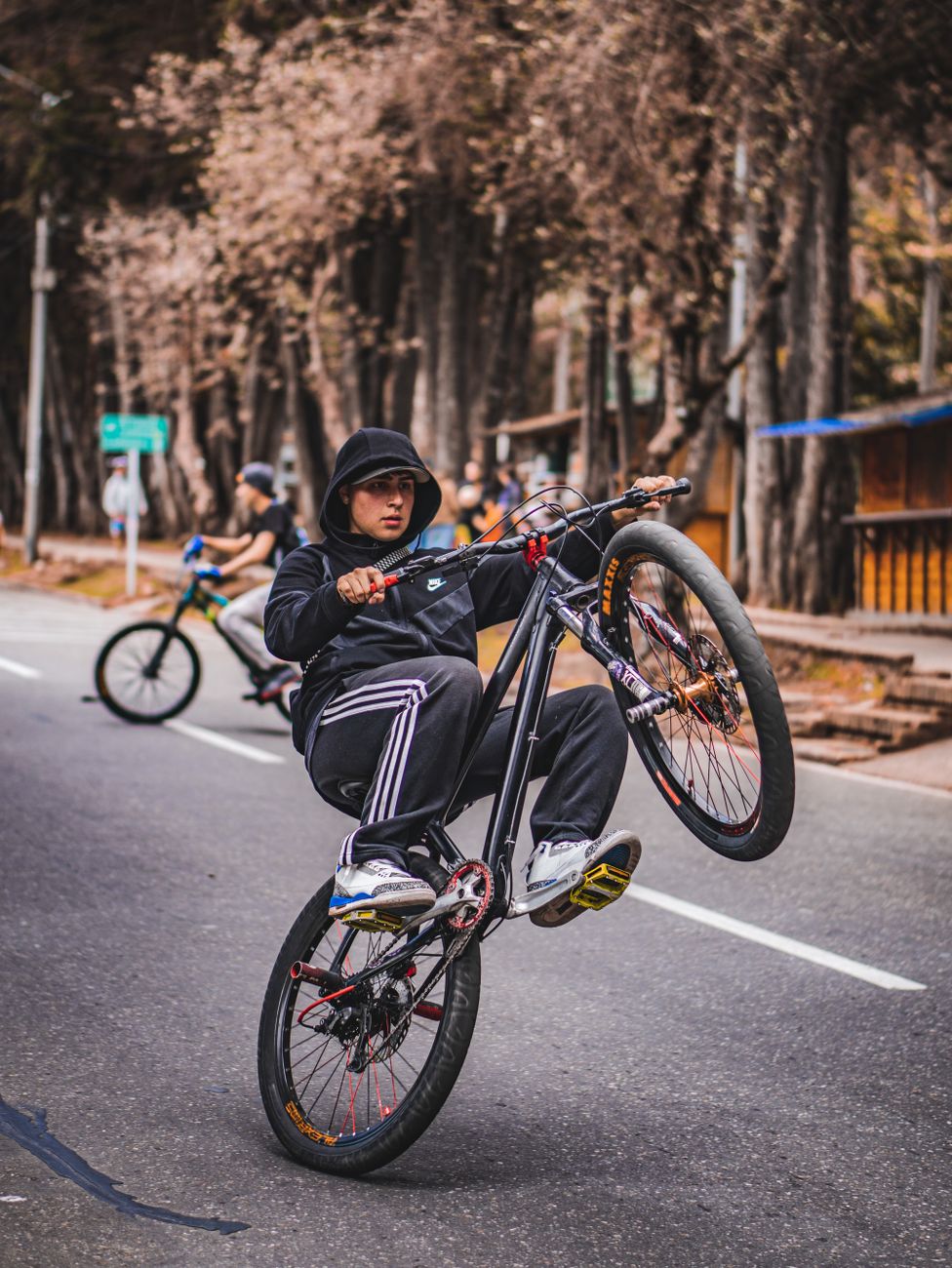
I live in Torrance, where over the past few years I have watched an invasive species establish itself on our streets: the teenage e-bike rider. They dart through traffic at unpredictable speeds, weave between cars as though participating in an unauthorized video game, perform wheelies in busy intersections, blow through stop signs with religious devotion, and occasionally taunt motorists who have the misfortune of sharing the road with them. Most appear blissfully unaware of the danger they create. A smaller but more troubling minority seem fully aware and simply do not care.
The problem has steadily worsened. A few months ago, during a night of heavy rain, I watched three teenage e-bike riders navigate the intersection of Torrance Boulevard and Anza Avenue. The roads were slick, visibility was poor, and the conditions were dangerous even for experienced drivers. Yet there they were, riding through the storm with the confidence of young people who have not yet learned that physics is undefeated.
For that reason, I was not surprised to read Salvador Hernandez’s Los Angeles Times article, “California’s New Hell’s Angels: Teens on E-Bikes Cut a Path of Danger.” Hernandez describes much of what residents like me have witnessed firsthand. Among the incidents he recounts is the death of an elderly man who was struck by a fourteen-year-old riding recklessly on an e-bike. The problem has grown serious enough that law enforcement agencies are developing specialized responses. Police departments have begun cracking down on illegally modified e-bikes that exceed state regulations, and in Orange County authorities have created dedicated task forces to pursue dangerous riders.
Many parents remain unaware that California recognizes three distinct classes of e-bikes.
Class 1 bikes use pedal assist only and have a maximum speed of twenty miles per hour. They are permitted for riders of all ages and require helmets.
Class 2 bikes combine pedal assist with a throttle and are also limited to twenty miles per hour. They too are available to riders of all ages and require helmets.
Class 3 bikes use pedal assist and can reach twenty-eight miles per hour. Riders must be at least sixteen years old and wear helmets.
All three classes are required to display a visible label identifying their classification, though one suspects that some of today’s young speed merchants regard regulatory labels with roughly the same respect they show stop signs.
Like many public-safety problems, this one seems destined to become worse before it gets better. Driving in Los Angeles was already a test of patience before the arrival of the e-bike era. The city had long mastered the arts of congestion, stress, discourtesy, and occasional road rage. The addition of e-bikes has introduced a fresh layer of chaos. Every morning when I drive my daughters to school, I encounter a gauntlet of obstacles: teenagers weaving through traffic, ignoring traffic laws, and treating the safety of others as an optional consideration.
The irony is that e-bikes themselves are not the problem. Used responsibly, they are efficient, economical, and environmentally friendly. The problem is the culture that has developed around them—a culture that often treats traffic laws as suggestions and regards reckless behavior as a form of entertainment.
Where I live, pulling to the side of the road for emergency vehicles is a routine occurrence. We have both Little Company of Mary and Torrance Memorial nearby, and sirens are part of the local soundtrack. Perhaps the increase in emergency activity has nothing to do with e-bikes. Perhaps it is merely my imagination. But after watching teenagers launch themselves through intersections on machines capable of twenty-eight miles per hour while possessing the judgment of teenagers, I cannot help suspecting that at least some of those sirens are chasing the inevitable consequences of youthful overconfidence meeting the laws of motion.


Leave a Reply