A year ago, I attended a family birthday party in Studio City. Hundreds of cheerful, talkative guests wandered around a lavish backyard pool shaded by thick stands of trees. The setting felt less like Los Angeles than a country estate in Provence. Beneath a canopy, guests feasted on fragrant Middle Eastern food while a white-haired band by the deep end of the pool played one boomer anthem after another. It was a celebration of long lives, old friendships, and accumulated memories.
Most of the guests were in their seventies.
While eating lunch, I spoke with my cousin’s husband, a retired ophthalmologist and former hospital administrator. A man who had once occupied positions of enormous responsibility, he told me the greatest surprise of old age wasn’t aching joints or declining stamina.
It was invisibility.
“People look right through you,” he said.
His remark landed with the force of an unwelcome prophecy. Your accomplishments, reputation, expertise, and decades of experience quietly evaporate. Whatever authority once entered the room ahead of you no longer accompanies you through the door. You undergo what I call Aura Expiration: the quiet disappearance of the prestige, authority, and social recognition accumulated over a lifetime once age strips away the culture’s fascination with achievement and status.
Yesterday’s distinguished physician becomes today’s anonymous old man standing patiently in line at Trader Joe’s.
Aura Expiration ushers you into something even stranger. You enter what I think of as Social Hades: the peculiar stage of life in which a person remains physically present while gradually disappearing from society’s field of vision. You are neither fully among the living nor entirely absent. You become ghostlike—a witness rather than a participant—despite possessing more knowledge and experience than many of those who unconsciously dismiss you.
Your very existence reminds younger people of the one truth they spend enormous energy avoiding: they, too, are running out of time.
Naturally, there are ways to resist. You can dye your hair, chase fashion, cultivate the illusion of perpetual youth, or loudly insist that you are “still relevant.” But there is something tragic about watching a person wage war against chronology. The struggle itself often accelerates the indignity. Better to heed the biblical warning against kicking against the goads. Some losses are not defeats but transitions.
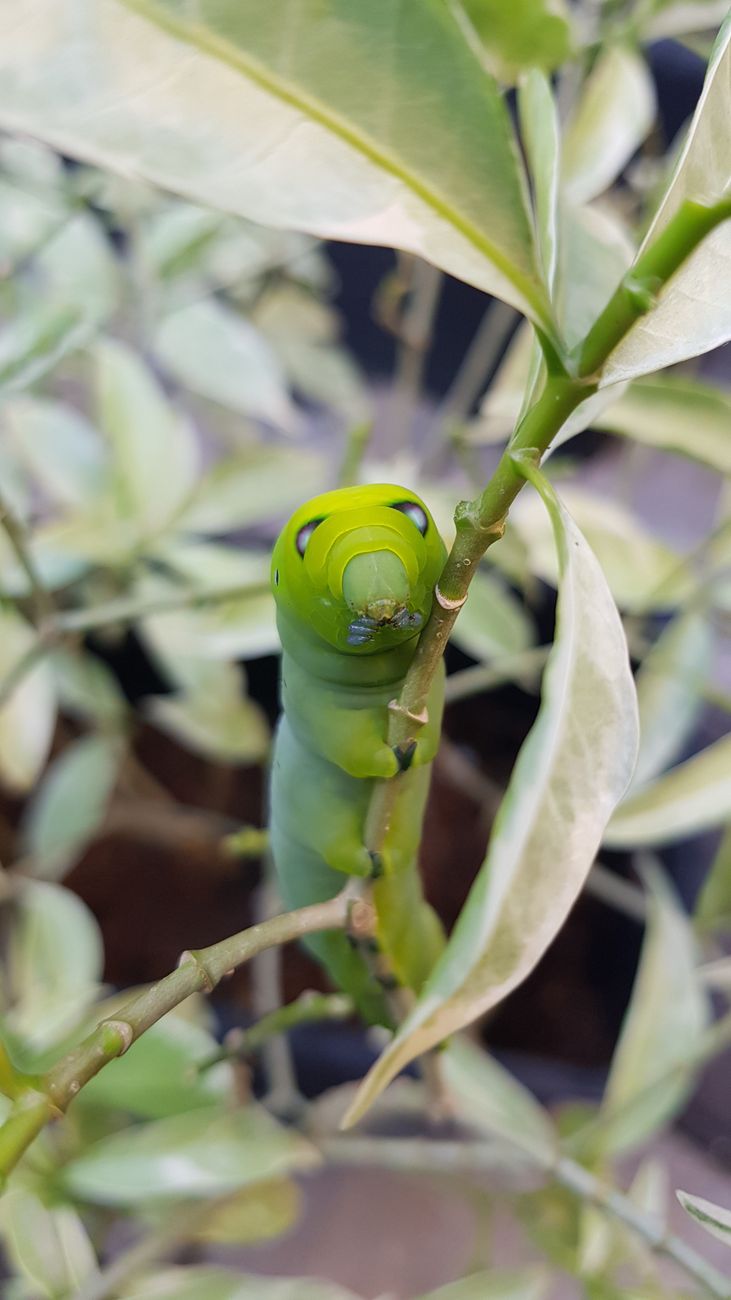
Reading Emmanuel Carrère’s The Kingdom, I was struck by his observation that the Greeks imagined the afterlife as Hades, “an underworld where men’s shadows lead a sort of half-life: slow, comatose, larva-like, hardly aware.”
I cannot help wondering whether this image grew partly from ordinary observation. Perhaps Hades resembled the fate awaiting the elderly in every civilization: still alive, yet treated as shadows; still capable of thought, yet gently ushered to the margins where they could cease interrupting youth’s fantasy of immortality.
I have little interest in fighting that social reality. At best, younger people will treat me with courteous indifference. At worst, they will regard me as an inconvenient reminder that every fashionable face eventually wrinkles and every energetic stride slows.
There is, however, one form of aging against which I intend to fight with all the stubbornness I possess.
I refuse to let my mind become larval.
I intend to keep reading difficult books, pursuing arguments, changing my mind when evidence demands it, writing essays, asking inconvenient questions, and remaining incurably curious. I would like to live forever, if only because I desperately want to know what happens next.
Besides, history has a wicked sense of irony.
Many young people imagine themselves to be in the thick of life merely because they inhabit the latest trends, wear the correct clothes, speak the approved vocabulary, and faithfully repeat the fashionable opinions of their tribe. Yet conformity has a way of anesthetizing curiosity. The mind quietly hardens while the body remains young.
That is the true danger.
Such people suffer from what I call The Larval Mind: a state of intellectual dormancy in which curiosity, skepticism, and independent judgment have withered away, leaving a person easily manipulated by fashion, ideology, algorithms, or tribal consensus. Their bodies pulse with youthful energy while their minds drift through life half-asleep.
An eighty-year-old wrestling with Paul, Carrère, Darwin, artificial intelligence, and the future of civilization may be far younger than a twenty-five-year-old who has surrendered his thinking to TikTok, political orthodoxy, influencer culture, or whatever intellectual narcotic happens to dominate the moment.
Perhaps youth has less to do with birthdays than with curiosity.
Perhaps the opposite of old age is not youth at all.
Perhaps the opposite of old age is refusing to become larval.


Leave a Reply