We should stop using the term social media.
The phrase is almost comically dishonest. “Social media” sounds benign and convivial, suggesting a chatty little kaffeeklatsch where neighbors exchange vacation photographs, discuss their grandchildren, and recommend a good plumber. Pour some coffee. Pull up a chair. Let’s socialize.
That is not what we built.
The dominant platforms employ some of the most sophisticated behavioral engineering ever devised to keep human eyes fixed on screens. Algorithms learn which emotional buttons produce another swipe, another click, another minute of captivity. Outrage works. So does envy. Loneliness works beautifully. Add FOMO, sexual display, humiliation, tribal grievance, political hatred, and the irresistible pleasure of watching somebody you despise get publicly disemboweled, and you have a remarkably efficient machine for converting human weakness into advertising revenue.
There is nothing particularly social about it. Much of the behavior is aggressively antisocial.
Spend enough time inside these systems and something stranger begins to happen. People start becoming grotesque duplicates of themselves. Their opinions harden. Their language becomes more predictable. Their enemies become more monstrous. Their own tribe becomes more virtuous. Their emotional repertoire contracts until nearly every stimulus produces one of four responses: outrage, envy, contempt, or applause.
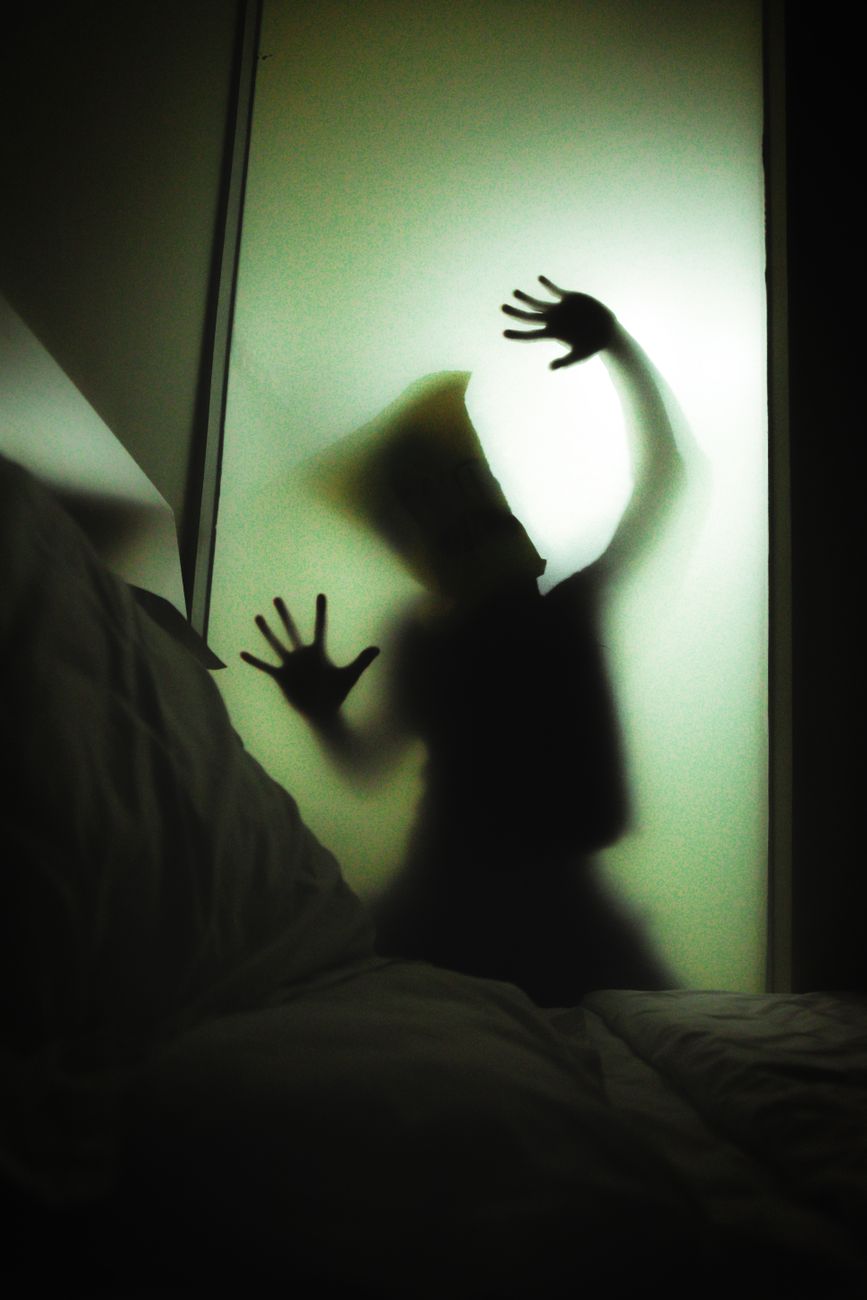
To understand the transformation, forget Silicon Valley and think Invasion of the Body Snatchers.
Attention Captivity Platforms perform a kind of digital body snatching. You enter as yourself intending to check one message. Forty-five minutes later, you emerge as an algorithmically engineered duplicate—scrolling, liking, raging, purchasing, and repeating opinions mysteriously identical to those of ten million other pod people.
In Invasion of the Body Snatchers, aliens replace your personality while you sleep. TikTok and Instagram have improved the technology.
You remain awake and volunteer for the procedure.
This is why I prefer the term Attention Captivity Platform. It describes the transaction with considerably greater accuracy. Your attention is the commodity. Captivity is the business strategy. The platform is the machinery that makes the transaction possible.
I considered other names.
The Rage Dungeon has possibilities. It captures the experience of descending voluntarily into a subterranean chamber where strangers scream at one another until everyone develops hypertension.
Algorithmic Asylum isn’t bad either. Everyone appears agitated, nobody seems particularly well, and the people operating the institution have discovered a profitable reason not to discharge the patients.
The Hostility Feed gets directly to the product being served.
And I have a particular affection for the Grievance Casino. You sit before the machine pulling the lever again and again, except instead of cherries and sevens, it dispenses stories confirming that your enemies are even more depraved than you suspected. Occasionally you hit the jackpot: somebody you already hate says something stupid.
All of these names illuminate some aspect of the machinery.
But social media illuminates nothing.
Calling these systems social media is like calling a colonoscopy a spa treatment. The procedure may have its uses, but let’s not pretend we’re getting a hot-stone massage.
Language matters because euphemisms conceal mechanisms. The phrase social media encourages us to think we’re participating in an electronic town square. Attention Captivity Platform forces us to ask the more uncomfortable question:
If I’m the one being captured, who exactly is being served?
 Cinemorphosis
Leave a comment