Dementia and cognitive decline are real concerns in old age. Think of them as the hurricane forming somewhere offshore. You don’t know if it will hit you, but you prepare anyway. Stock up on water and canned beans. Nail plywood over the windows. Make sure you have quick access to the potato cellar.
Old age requires its own hurricane preparations. Don’t carry excess body weight. Maintain normal blood pressure. Go easy on sugar. Exercise. Avoid alcohol. Don’t smoke. If your hearing deteriorates to the point that you withdraw from conversation and retreat into your own head, get a hearing aid. Keep your mind active. Build what researchers call cognitive reserve—the brain’s capacity to withstand some of the damage associated with aging and disease while continuing to function.
You can challenge yourself by playing a musical instrument, doing crossword puzzles, starting a podcast, learning something difficult, or writing a multigenerational novel. Think of these pursuits as mental exercise, potentially as important to your aging brain as going to the gym five days a week is to your aging body.
But not all mental exercise is equal.
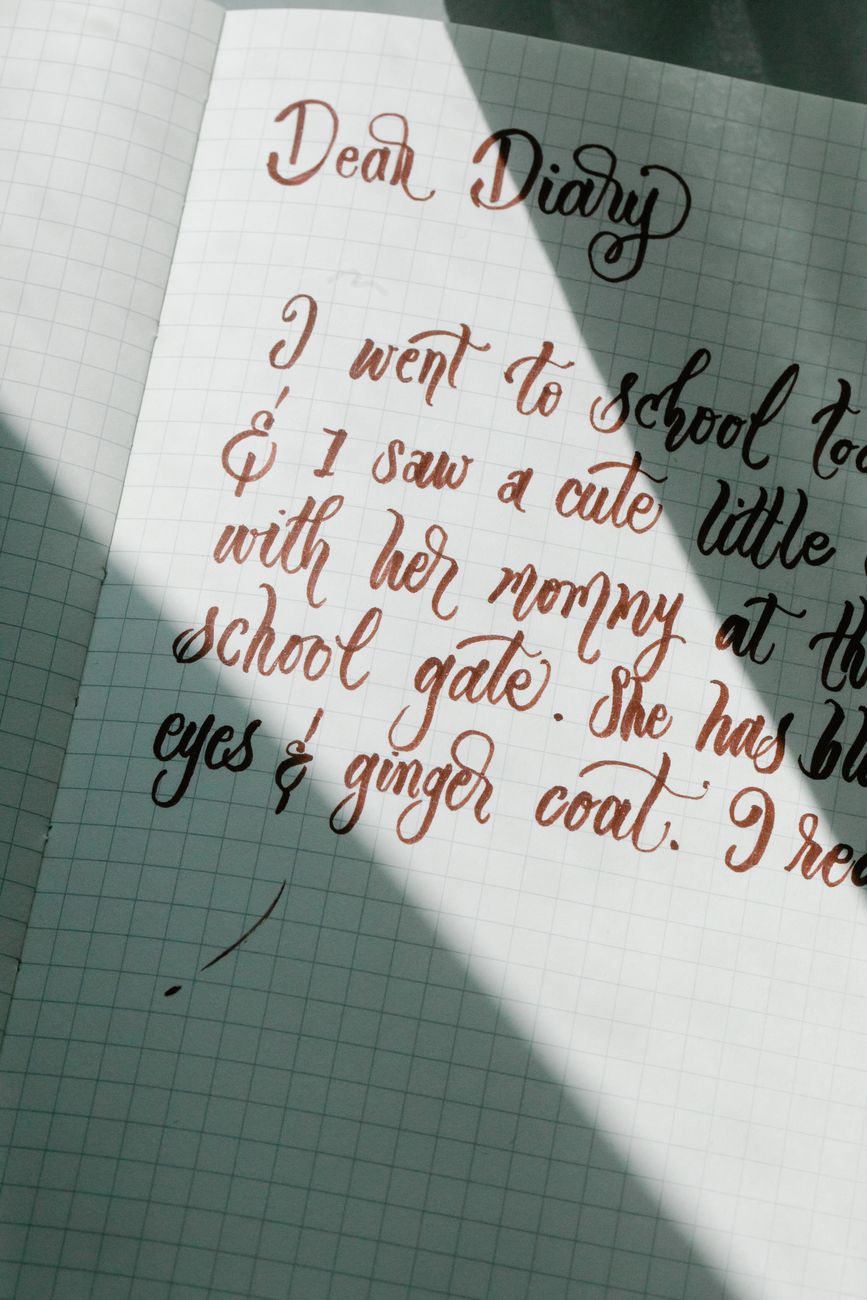
Consider journaling, that beloved sacrament of wellness culture. Journaling requires a physical notebook, your favorite pen or mechanical pencil, perhaps a steaming mug of tea positioned nearby for atmosphere. For this one noble endeavor, you have gone off the grid. You are the intellectual equivalent of outdoorsman Euell Gibbons, wandering through the wilderness and surviving on the edible portions of pinecones.
Writer and professor Katie Roiphe challenges our assumptions about this supposedly healthy practice in her essay “Is Journaling Bad for You?” Her objections are formidable. For one thing, your journal is never as private as you imagine. Eventually some nosy relative will root through your belongings like a truffle sow and unearth thoughts never intended for public consumption.
Worse, those thoughts may be misunderstood. They may even repel people who once loved you. The disparity between the person they thought they knew and the creature muttering from the pages of your private notebook may be too great to reconcile.
You may not particularly enjoy meeting your former selves, either.
Reading your journals twenty years later can become an archaeological excavation of every insecurity, obsession, grievance, humiliation, and catastrophically stupid opinion you once possessed. Instead of illuminating the present, your journal can lure you backward. Like Lot’s wife, you become fixated on what lies behind you and eventually turn into a pillar of salt—though perhaps one with very good handwriting.
Then there is the problem of introspection cosplay.
You may believe you’re plumbing the depths of your psyche when you’re really performing the role of Thoughtful Person. Instead of being brutally honest with yourself, you curate your introspection. Journaling becomes an exercise in self-regard, another platform for presenting yourself to an audience—even if the audience consists entirely of you.
You become like the gym novice who spends two hours at the fitness center every day talking to people, listening to music, watching television, drinking smoothies, checking his phone, and occasionally wandering onto a treadmill. Six months later, he stands before the mirror bewildered that he has somehow failed to transform into an Olympic decathlete.
But the fact that journaling can be done badly—and occasionally with disastrous consequences—is not an argument against journaling. It is an argument against performative journaling.
If you can be unflinchingly honest with yourself, by all means journal. If you understand, in accordance with Sturgeon’s Law, that 90 percent of everything you write will be crap, by all means journal. If you approach your inner life with the same rigor that someone brings to a serious circuit-training session—working rather than posing, examining rather than admiring—then by all means journal.
Roiphe’s argument, as I understand it, isn’t really against journaling. It is against confusing the performance of introspection with introspection itself. Beneath her skepticism lies an argument for authenticity.
And perhaps that brings us back to cognitive decline.
We worry about forgetting names, losing words, walking into rooms without remembering why we went there. These are frightening possibilities, and we should do what we reasonably can to protect ourselves.
But there may be another kind of cognitive failure worth fearing: losing the ability to distinguish between examining your life and performing an examination of your life.
You can fill a thousand notebooks and never confront yourself.
The handwriting may remain perfectly legible while the mind behind it disappears.


Leave a comment